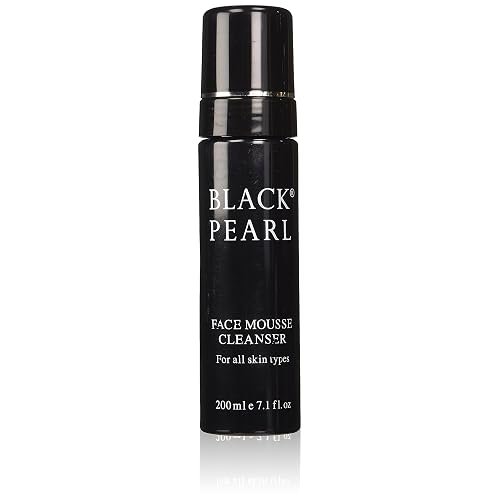
The Enduring Allure of Pearl in Brand Names
Few words carry the quiet charm of “Pearl.” It is short, graceful, familiar, and easy to say in many languages. A business can place it on a shop sign, app icon, product label, hotel entrance, or restaurant menu, and the name immediately creates an impression of care and quality.
The appeal does not depend on selling jewelry. A cleaning company called Pearl may suggest spotless results. A software firm may suggest something polished and carefully made. A bakery may use the word to imply a small, prized treat. The name works because it brings an image to mind without limiting a company to a single product category.
Pearl feels gentle, yet it does not feel weak.
Pearl as a Symbol of Rarity, Purity, and Value
Natural pearls form slowly inside oysters, layer by delicate layer. That process gives the word a sense of patience and rarity. Unlike a flashy gemstone cut into sharp angles, a pearl is smooth, rounded, and softly luminous. These visual associations make it useful for brands seeking a calm, dependable identity.
Purity is another reason for its popularity. White pearls are often linked with cleanliness, innocence, ceremony, and fresh beginnings. A skincare label may use Pearl to suggest a clean complexion. A bridal business may choose it for its connection with weddings and heirloom beauty. A home-care service may use it to indicate neat rooms and careful treatment.
Value is present too, though in a restrained way. Pearl suggests something prized without sounding as extravagant as Diamond, Gold, or Royal. That distinction matters. A company may want customers to feel they are receiving thoughtful quality rather than being pushed toward luxury beyond their budget.
Why Unrelated Industries Choose the Pearl Name
A brand name does not need to describe a product literally. In fact, literal names can become restrictive. A company named “Pearl” has room to grow from one service into another, while a name such as “Downtown Phone Repair” may feel awkward if the business later adds device sales, IT support, or home visits.
Pearl also gives businesses a ready-made emotional tone. It can make an ordinary service feel more considered. A transport company called Pearl Cars sounds smoother than a purely functional name. Pearl Dental may bring to mind brightness and gentle care. Pearl Foods can suggest freshness, comfort, and ingredients selected with attention.
For smaller companies, the word can create polish from the start. It sounds established, even before a business has decades of history behind it.
A Name That Suggests Refinement Without Luxury Limits
Luxury names can sometimes create distance. Words tied too strongly to wealth may make customers assume high prices or exclusivity. Pearl sits in a more welcoming position. It carries refinement, though it can still suit a neighborhood café, a budget-friendly salon, a family-run grocery, or a local repair shop.
Its softness helps. The single syllable has a rounded sound, matching the object it describes. There is no harshness in it. This can be particularly useful for businesses serving people during personal moments: maternity clinics, retirement residences, beauty studios, wedding planners, and counseling practices.
At the same time, Pearl can be formal enough for corporate settings. A financial firm or property company can use the name without seeming childish or overly decorative. Its flexibility is one reason the word appears across so many sectors.
Pearl Across Hospitality, Technology, Beauty, and Food
In hospitality, Pearl often creates images of comfort and attentive service. Hotels, guesthouses, spas, and event venues use the name to suggest a pleasant place that feels cared for. It may recall pearly light on water, crisp bedding, or a quiet table prepared for guests.
Technology businesses use Pearl in a different way. Here, the name can imply a refined product hidden within a complicated field. A cybersecurity company might present itself as a rare point of clarity among confusing technical choices. A data platform may use Pearl to suggest clean organization and reliable results.
Beauty is a natural fit, yet the use of Pearl goes far beyond pearl-colored makeup. Hair salons, cosmetics labels, nail studios, and wellness clinics often choose the name because it implies luminosity. The association is visual: healthy skin, glossy hair, bright smiles, and a softly finished appearance.
Food brands use Pearl to signal delicacy or comfort. The word appears in names for tea houses, rice products, seafood restaurants, bakeries, and cafés. A bowl of pearl rice, a milk tea with tapioca pearls, or a small white confection makes the term feel familiar and appetizing.
The Emotional Advantage of a Soft and Memorable Brand Name
Customers often remember names through feeling before detail. Pearl is easy to recall because it is a common word with a clear image. It does not require explanation, complex spelling, or a long pronunciation guide. That simplicity helps on storefronts, social profiles, packaging, and word-of-mouth recommendations.
There is also a sense of warmth in the name. It can sound personal, almost like a first name. Many people have known someone named Pearl, or associate it with an older relative, a classic film character, or a cherished piece of jewelry. Such associations can make a company feel less anonymous.
Small details shape trust.
When Pearl Creates a Stronger Business Identity
Pearl works best when the wider identity gives the name a distinct meaning. On its own, it may be too broad in crowded markets. “Pearl” paired with a thoughtful second word can become more recognizable: Pearl & Pine for interiors, Pearl Route for travel, Pearl Signal for communications, or Pearl Oven for baked goods.
Visual design should support the promise behind the name. A soft ivory palette may suit a beauty brand, but it would not be the only direction. A tech company could pair Pearl with deep navy, silver, and crisp typography. A lively restaurant might use warm reds and cream colors. The name is adaptable; the brand system determines its personality.
A strong business identity also depends on behavior. Friendly service, consistent quality, and clear communication give Pearl substance. Without those elements, even a beautiful name becomes empty decoration.
The Cultural Meanings That Keep Pearl Relevant
Pearls have carried meaning across many cultures for centuries. They have been connected with the sea, wisdom, protection, prosperity, tears, and feminine beauty. In some traditions, pearls symbolize purity; in others, they represent knowledge gained through hardship, since something beautiful develops from irritation inside a shell.
These meanings allow the word to travel well across borders. Its appeal may shift slightly from place to place, yet its core associations remain positive. For international companies, that broad recognition can be useful, provided they research local language and cultural context before launching.
The name also has a timeless quality. It can suit an old-fashioned tea room or a sleek mobile service because it is neither tied to one decade nor dependent on short-lived slang.
Choosing Pearl Without Losing Brand Originality
The popularity of Pearl creates a challenge: many businesses already use it. Before committing to the name, owners need to check company registries, domain availability, trademark records, and local competitors. A name may sound perfect but cause confusion if a similar business operates nearby.
Originality often comes from context. A clear positioning statement, unusual typography, a distinctive color scheme, and a memorable customer experience can separate one Pearl brand from another. The story behind the name can help too. Perhaps it refers to a founder’s grandmother, a coastal hometown, a favorite flower, or the belief that careful work creates something valuable over time.
Specificity gives a familiar word fresh life.
The Lasting Appeal of Businesses Named Pearl
Pearl remains attractive because it balances beauty with practicality. It feels polished without being cold, valuable without sounding unreachable, and classic without feeling trapped in the past. Those qualities explain why businesses far removed from oysters and jewelry continue to use it.
For a brand, Pearl is less a description than a promise. It suggests that something ordinary has been handled with patience, care, and a touch of grace. Whether it appears on a hotel door, a software dashboard, a jar of face cream, or a café awning, the name carries a quiet invitation to expect something considered.