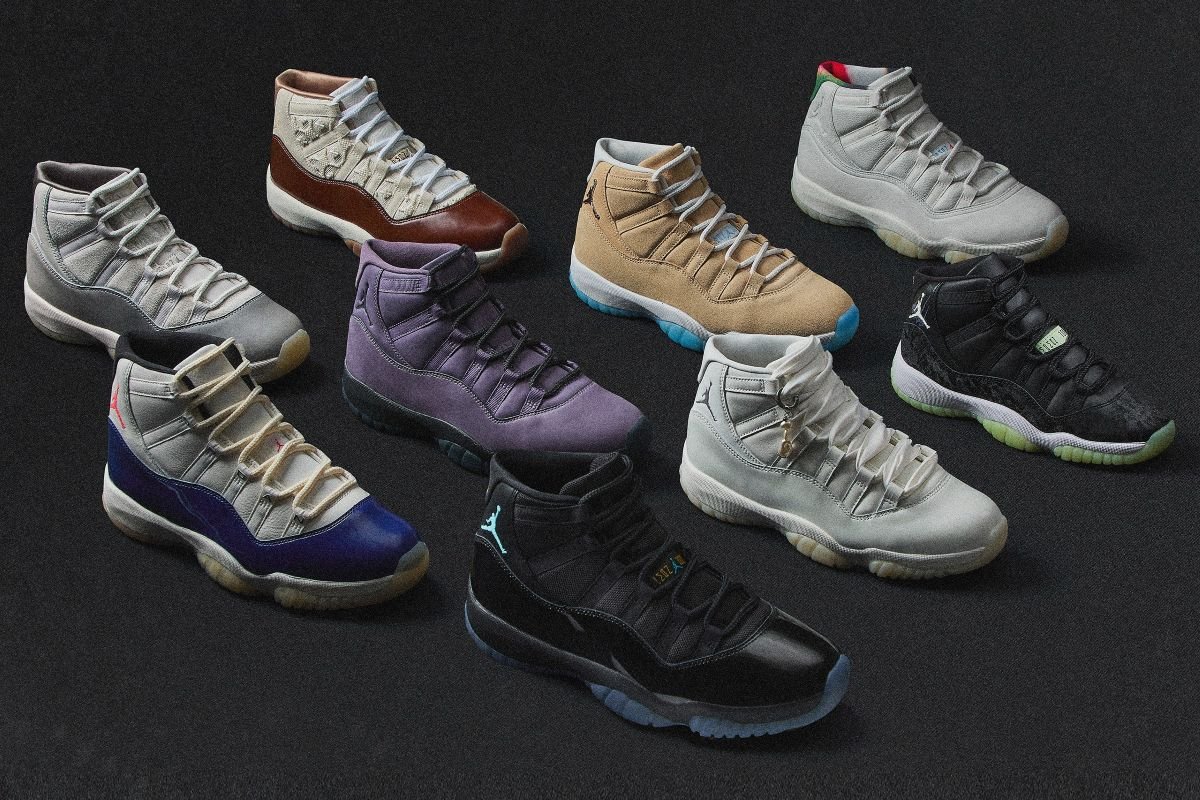
Image credit: about.nike.com
The Allure of Pearl in Modern Fashion
Pearl has always been synonymous with elegance and sophistication. From ancient royalty to modern runways, this lustrous gem continues to inspire designers across industries.
The fashion world’s obsession with pearl goes beyond jewelry. Today, we see pearl-inspired colors, textures, and names infiltrating everything from haute couture to streetwear. The soft, iridescent quality of pearl creates an instant association with luxury and refinement.
Pearl’s versatility makes it particularly appealing to contemporary designers. It can be subtle or statement-making, classic or modern. This adaptability explains why major brands consistently turn to pearl aesthetics for their premium product lines.
Why Pearl White Captivates Consumers
Pearl white stands apart from regular white. While standard white can feel stark or clinical, pearl white carries warmth and depth.
The color evokes feelings of purity without the harshness. There’s something inherently calming about pearl white – it suggests cleanliness and freshness while maintaining an air of sophistication. This psychological impact makes it incredibly appealing to consumers who want products that feel both premium and approachable.
Pearl white also photographs beautifully. In our Instagram-driven culture, products need to look good on camera. The subtle shimmer and dimensional quality of pearl white creates visual interest without being overwhelming. This photogenic quality has made it a favorite among brands targeting younger demographics.
The color works across seasons and trends. Unlike bold colors that may feel dated quickly, pearl white maintains its relevance year after year.
The Psychology Behind Pearl-Inspired Product Names
Naming products after pearls taps into deep psychological associations. Pearls represent rarity, beauty, and value – qualities every brand wants associated with their products.
The term “pearl” immediately elevates a product’s perceived worth. Consumers subconsciously connect pearls with luxury and exclusivity. This mental shortcut helps brands position their products as premium offerings without explicitly stating their luxury status.
Pearl references also suggest refinement and taste. They appeal to consumers who see themselves as discerning and sophisticated. This aspirational quality makes pearl-inspired names particularly effective for products targeting upwardly mobile consumers.
Nike’s Strategic Use of Pearl Aesthetics
Nike’s adoption of pearl elements represents a significant shift in athletic wear design. Traditionally, sportswear focused on bold colors and aggressive styling. Pearl aesthetics bring a softer, more refined approach to athletic footwear.
This strategy allows Nike to expand beyond traditional athletic markets. By incorporating pearl elements, they attract consumers who want versatile shoes that work for both workouts and casual wear. The approach broadens their appeal to fashion-conscious buyers who might otherwise overlook athletic brands.
Nike’s use of pearl also helps differentiate their products in a crowded marketplace. While competitors stick to conventional athletic aesthetics, Nike’s pearl-inspired designs stand out as unique and sophisticated.
The Air Jordan 11 Pearl Edition Breakdown
 The Air Jordan 11 “Pearl” represents a milestone in sneaker design. Released in November 2025 to celebrate the model’s 30th anniversary, this women-exclusive colorway breaks new ground in athletic footwear aesthetics.
Design Elements That Define the Pearl Edition
The shoe features warm pearl white and cream tones throughout. Instead of the traditional mesh upper, Nike opted for full leather construction. This material choice creates a more luxurious feel and appearance.
The pearl luster finish adds dimensional beauty to the shoe. Under different lighting conditions, the surface reveals subtle color variations and depth. This effect mimics the natural beauty of actual pearls.
Satin ribbon laces replace standard athletic laces. This detail adds feminine elegance while maintaining functionality. The wide ribbon design creates visual interest and reinforces the luxury positioning.
Pearl charm detailing provides the finishing touch. These small but significant elements reinforce the theme while adding tactile interest.
Breaking Traditional Athletic Design Rules
The Pearl edition challenges conventional sneaker design philosophy. Traditional athletic shoes prioritize performance aesthetics – bold colors, technical materials, and aggressive styling. The Pearl edition takes the opposite approach.
The refined design language makes these shoes suitable for sophisticated casual wear. They bridge the gap between athletic footwear and fashion accessories. This versatility appeals to consumers who want shoes that work across multiple style contexts.
The Y2K and refined style compatibility expands the shoe’s appeal. These design trends value both futuristic elements and classic sophistication – qualities the Pearl edition delivers simultaneously.
How Luxury Meets Athletic Wear
The fusion of luxury and athletic wear represents one of fashion’s most significant trends. Consumers increasingly want products that perform well while looking sophisticated.
Nike’s pearl-inspired designs exemplify this trend. They maintain the technical excellence expected from athletic footwear while incorporating luxury design elements. This combination creates products that feel special and exclusive.
The approach also reflects changing consumer lifestyles. Modern consumers move seamlessly between gym sessions, work meetings, and social events. They need footwear that adapts to these varied contexts without compromising style or performance.
Pearl Colors in Brand Marketing
Pearl colors offer unique marketing advantages. They photograph beautifully across different lighting conditions and backgrounds. This versatility makes them ideal for digital marketing campaigns.
The colors also create emotional connections with consumers. Pearl tones feel calm, sophisticated, and aspirational. These emotional associations help brands build stronger relationships with their target audiences.
Pearl colors work particularly well in minimalist marketing approaches. The subtle beauty of these tones allows product details and craftsmanship to take center stage without color distractions.
The Cultural Significance of Pearl Tones
Across cultures, pearls symbolize wisdom, purity, and prosperity. These universal associations make pearl-inspired products appealing to global markets. The symbolism transcends cultural boundaries while maintaining positive connotations.
In Asian markets particularly, pearls hold special significance. They represent good fortune and spiritual purity. This cultural resonance makes pearl-inspired products especially appealing to Asian consumers.
The gender-neutral appeal of pearl tones also supports inclusive marketing strategies. While traditionally associated with femininity, modern pearl interpretations work for all consumers.
Why Premium Brands Choose Pearl Terminology
Premium brands gravitate toward pearl terminology because it instantly communicates quality and exclusivity. The word “pearl” carries centuries of luxury associations that brands can borrow without explanation.
Pearl references also suggest rarity and uniqueness. In crowded markets, brands need ways to differentiate their products. Pearl terminology helps create the impression that products are special and limited.
The timeless quality of pearl associations protects against trend obsolescence. While fashion trends come and go, pearls remain consistently desirable. This longevity makes pearl-inspired branding a safe investment.
The Future of Pearl-Inspired Design
Pearl aesthetics will likely become more prominent across fashion and product design. As consumers seek sophistication and versatility, pearl-inspired elements provide an effective solution.
Technology advances will enable more realistic pearl effects in various materials. We can expect to see pearl-inspired finishes in electronics, automotive design, and home goods.
The trend toward sustainable luxury also favors pearl aesthetics. Real pearls are natural and sustainable, making pearl-inspired designs appealing to environmentally conscious consumers.
Brands will continue finding new ways to incorporate pearl elements into unexpected product categories. The versatility and universal appeal of pearl aesthetics make them valuable across industries.