Quick Confidence: Know Your Baroque Pearls
Learn five quick, trustworthy checks to identify genuine baroque pearls. Use simple at‑home methods and a jeweler’s help to confidently spot irregularities, luster, drill work, and authenticity before you buy or resell later safely with confidence.
What You’ll Need

Inspect Shape and Surface Irregularities
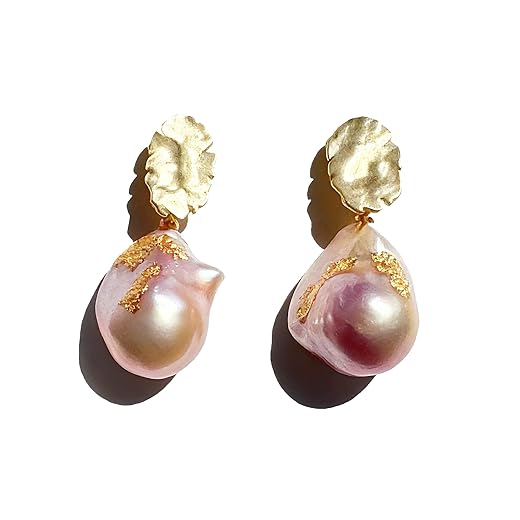
Why imperfections are your friend — real baroque pearls don’t look like perfect marbles.Examine the pearl’s outline and surface under good light or a loupe. Focus on asymmetry and organic undulations—baroque pearls rarely look perfectly round.
Search for natural bumps, ridges and tiny nicks rather than uniform, machine-made symmetry. Rotate the pearl and note color overtones that shift with angle and any faint growth lines or tiny pits—these are signs of organic formation.
Record distinct quirks; consistent identical “quirks” across many pearls suggests artificial replication.
Check Luster and Orient
Can fake pearls fake that deep, layered glow? Spoiler: usually not.Evaluate luster by angling the pearl under directional light. Genuine baroque pearls show a deep, layered sheen (orient) with subtle color play, not a flat glossy film. Hold the pearl near a darker background (a navy cloth or your sleeve) to see internal glow and overtones — pinks, greens, silvers or creams that shift with movement.
Compare adjacent pearls in a strand: variations in luster and orient are normal and desirable. Uniform mirror-like shine often signals glass or plastic coating. For example, tilt a pearl and watch a faint pink flash glide across the surface — that’s true orient.

Perform the Tooth Test and Surface Feel
A simple chew test? Yes — texture tells the tale.Gently rub the pearl across the edge of your front teeth (do not bite). Real pearls feel slightly gritty or sandy from layered nacre; imitation glass or plastic will feel smooth or slippery.
Combine this with a tactile check: feel the pearl’s weight and coolness — genuine pearls feel heavier and cool, warming slowly in your hand. For example, a pearl that feels like fine sand on the tooth and warms gradually is likely real; a glass bead will glide smoothly and warm quickly.

Examine Drill Holes and Stringing
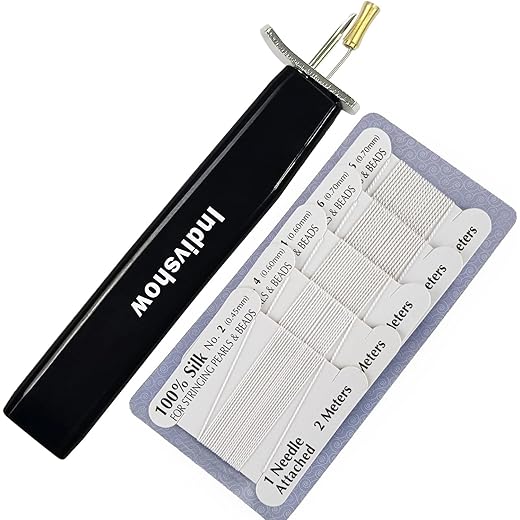
Small details reveal big secrets — how they’re drilled and strung matters.Inspect drill holes closely. Look for clean but slightly irregular drill edges and visible nacre layering around the hole. Check for real silk knots between pearls — skilled stringing prevents rubbing and signals quality. Note chips, a perfectly centered industrial drill pattern, or exposed plastic/glass cores; these are red flags. Examine inside holes for seams or internal cores that reveal bead or composite assembly. For example, a thin layered rim of nacre around the hole suggests natural formation; a smooth plastic rim suggests a bead.
Use Advanced Tests or Professional Verification
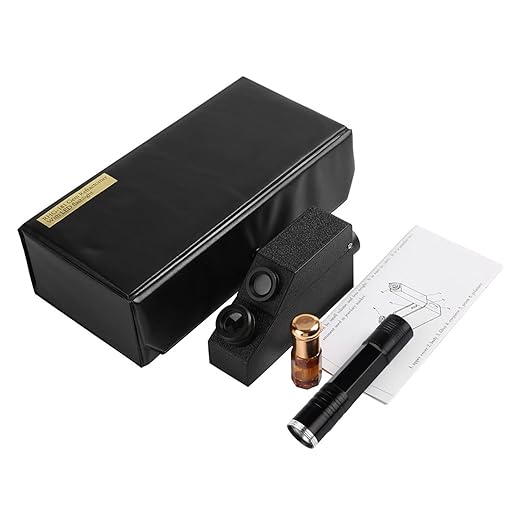
When in doubt, bring in the pros — or a simple gem tester can save you money.Use non-destructive instruments or consult a certified gemologist for definitive answers. Use a refractive index tester, X‑ray radiography, or spectroscopy to reveal bead cores, coatings, or cultured vs. natural structures. For example, an X‑ray often exposes a hidden bead core that visual inspection missed.
Request authentication from reputable jewelers before purchase. Keep receipts and certification — verified documentation adds resale value and peace of mind.
Trust Your Senses, Back Them Up
Combine visual checks, tactile tests, and professional verification to confidently spot inconsistencies; try these five steps, share your findings today, and help others buy authentic baroque pearls with confidence now.