Pearl Power: A Fresh Look at Fine Lines
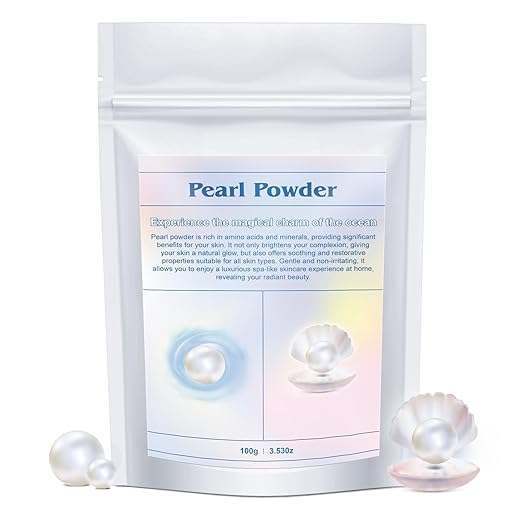
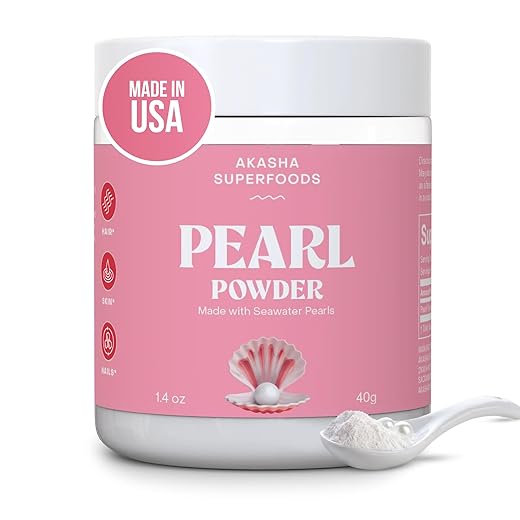
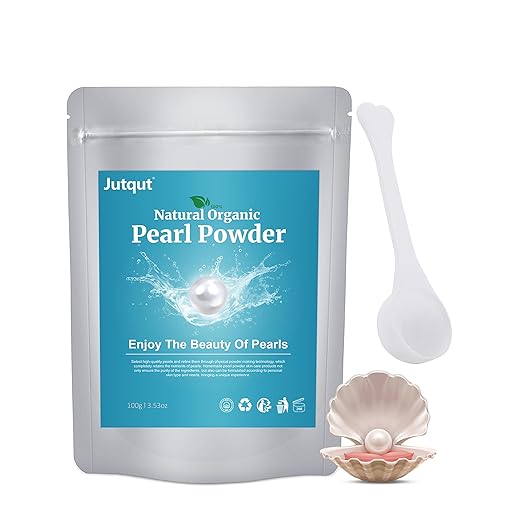
Curious about pearl powder in skincare? This gentle, natural ingredient is rising in popularity among people seeking milder anti-aging options. Pearl powder is finely milled shell or nacre, rich in minerals and amino acids. Brands add it to creams aiming to smooth and brighten skin.
This article explains why pearl powder matters, the science behind reducing fine lines, what to look for in formulations, real user results, and safe, effective application tips.

What Is Pearl Powder and Why It Matters for Skin
Origins and traditional uses
Pearl powder comes from ground freshwater or saltwater pearls—either cultured beadless “nacre” pearls or the inner shell layers of mollusks. Used for centuries in Traditional Chinese Medicine and historical beauty regimens, it was mixed into creams, face masks and even taken as a tonic to brighten complexion and promote healing.
What’s actually in it
Pearl powder isn’t just pretty dust. Its main constituents include:
Together these can help neutralize free radicals on the surface, support the skin barrier, and improve the feel and reflectivity of the skin—which is why pearls are marketed for smoothing and brightening.
Edible vs. cosmetic grade — why it matters
Edible-grade pearl powder meets food-safety standards; cosmetic-grade is formulated and tested for topical use. Important differences to check:
Quick tips: choose products with third-party lab results, prefer cosmetic or pharmaceutical grade for creams, and avoid raw or untested powders.
Ethical sourcing & sustainability (sidebar)
Pearl sourcing ranges from small sustainable farms to intensive operations with environmental impacts. Seek traceability, responsibly farmed pearl byproducts, or brands with sustainability claims to reduce ecological and social harm.
Next: we’ll examine the scientific mechanisms claimed to reduce fine lines so you can separate effect from hype.
How Pearl Powder Targets Fine Lines: The Science Behind the Claims
Mineral-driven skin barrier support
Pearl powder is rich in calcium carbonate and trace minerals. Applied topically in a cream, these minerals can help reinforce the skin’s surface matrix and improve tactile feel—think of it as a lightweight scaffold that helps skin look tighter and less crepey. In practice, this shows up as subtle firming and reduced visibility of shallow lines, especially when a product leaves a smooth, even film.
Amino acids and moisture retention
The organic fraction of pearl powder contains amino acids and small peptides that attract and hold water. That humectant-like action boosts short-term hydration, plumping tiny creases so they’re less noticeable. For real-world use, pairing pearl-containing creams with proven moisturizers (e.g., hyaluronic acid or glycerin) multiplies this effect.
Mild exfoliation and brightening
Some naturally occurring compounds in pearls can gently brighten skin by improving surface reflectivity and supporting cell turnover. This is not an acid peel—expect softer, gradual smoothing rather than aggressive resurfacing.
How these effects translate into visible smoothing
Combined, improved hydration, a more uniform surface film, and subtle micro-exfoliation create three visible changes: fuller-looking skin (hydration), slightly firmer contours (matrix support), and a more even texture/brightness (surface renewal). A consumer might notice softer lines within weeks, not necessarily dramatic wrinkle reversal.
What lab work supports — and its limits
In vitro studies show pearl extracts can stimulate fibroblast activity and antioxidant defenses. But cultured cells aren’t whole skin: penetration, particle size, and formulation determine if those molecules reach target layers. Don’t expect cell-culture results to equal clinical wrinkle elimination.
Practical tips
Next: how to pick a pearl powder anti-aging cream that actually performs.
What to Look For in a Pearl Powder Anti-Aging Cream
Ingredient placement & concentration
Pearl powder is meaningful only if present in an effective amount. On an INCI list, it should appear relatively high (top third) to matter. Look for terms like “micronized pearl powder” or “pearl extract (pearl protein)”—these indicate finer particles that sit well in formulas and feel less gritty.
Complementary active ingredients
Pairing matters. Good combos to search for:
Formulation type & texture
Serums deliver concentrated actives quickly; creams provide occlusion and sustained hydration. If you want quick absorption under sunscreen, choose a lightweight serum. For dry skin or nighttime repair, a richer cream improves barrier support.
Delivery systems & packaging
Encapsulation, liposomes, or nanoemulsions boost bioavailability—labels may say “liposomal pearl extract” or “encapsulated peptides.” Prefer airless pumps or dark glass jars to protect sensitive actives from light and air.
Safety, purity, and what to avoid
Check for certificates/COAs or third-party testing claims. For sensitive skin, seek preservative systems that avoid known irritants and look for “fragrance-free.” Avoid:
A quick real-world check: if a product highlights pearl benefits but lists pearl at the bottom, its claims are likely marketing. Next up: we’ll look at real-world results—studies, user experiences, and what consumers actually report.
Real Results: Evidence, Testimonials, and What Consumers Report
Types of evidence you’ll encounter
Evidence ranges from in vitro lab work and small clinical trials (often n=20–60) to dermatologists’ clinical impressions and abundant consumer before‑and‑after photos. In vitro studies show pearl components can influence cell signaling; small trials suggest modest cosmetic benefits. Dermatologists often credit pearl’s light‑reflecting minerals for instant radiance.
How to weigh anecdotes vs. controlled trials
Anecdotes are vivid but variable; controlled studies with controls, blinding, and objective measures (wrinkle depth, hydration) carry more weight. Look for sample size, duration, and whether results were peer‑reviewed. Reliable signals: repeated findings across multiple small trials plus consistent clinician reports.
Realistic timelines and common outcomes
Typical limitations to expect
Practical tips for interpreting claims
Next, we’ll cover exactly how to use pearl powder creams effectively and safely in your routine.
How to Use Pearl Powder Creams Effectively and Safely
Start with a patch test
Apply a pea‑size amount on the inside of your wrist or behind the ear. Wait 48 hours for redness, itching, or swelling. If irritation appears, discontinue and try a lower‑concentration product or consult a dermatologist.
Morning and evening routines (simple how‑to)
Morning: cleanse, tone, lightweight hydrating serum, pearl powder cream, then broad‑spectrum SPF (or a pearl BB with SPF).

Evening: cleanse, gentle exfoliant only 2–3×/week if tolerated, hydrating serum, pearl powder cream, then a richer moisturizer or sleeping balm.
Layering order & frequency
Apply pearl cream after cleansing/toning and serums but before heavier occlusives (creams, oils). Start every other day for two weeks, then move to daily use as tolerated.
Tips by skin type
Combining with strong actives
Avoid using pearl cream on the same night as a fresh retinoid or high‑strength AHA/BHA. Stagger: retinoid one night, pearl cream the next. If irritation occurs, reduce frequency.
Adjuncts, techniques & monitoring
Boost absorption with a few upward facial massage strokes (1–2 minutes) using fingertips or a jade roller. Pair with hydrating serums (e.g., hyaluronic acid) and track progress with weekly photos; note any persistent redness, itching, or stinging and stop if they appear.
Next, Practical Takeaway: how to fit pearl powder into a balanced anti‑aging plan.
Practical Takeaway: Pearl Powder as Part of a Balanced Anti-Aging Plan
Pearl powder creams can gently improve fine lines mainly by boosting hydration, refining surface texture, and imparting subtle brightness. Expect modest results rather than dramatic reversal; formulation quality and actives matter.
Use them consistently, prioritize well‑formulated products, apply sunscreen daily, and patch‑test when needed. For deeper lines or persistent concerns, consult a dermatologist. Evaluate claims critically and view pearl powder as one useful tool within a broader skin‑health plan.