Minimalist Spark: Quick Care & Polishing for Pandora Bracelets

Keep your minimalist Pandora bracelets shining with gentle cleaning and smart storage. Simple care tips preserve their beauty for years.

Published on: November 11, 2026

Minimalist Spark: Protecting the Subtle Shine

Minimalist Pandora bracelets—delicate chains, slender bangles and pared-back charm strands—need tailored care. This short guide helps you keep that subtle shine with little time and effort.

Learn simple habits that prevent tarnish and avoid mistakes that wear plating or dull finishes. Find quick routines, gentle cleaning tips, and easy polishing tricks. Use minimal tools and keep your bracelet bright for years.

Small daily moves make a big difference with minimal time investment and care.

Editor's Choice
All-Purpose Jewelry Cleaning Kit with Cloths
Best for delicate, gold, and silver jewelry
All-in-one kit that cleans and restores shine to pearls, gold, silver, and other delicate gemstones. Includes ammonia-free cleaner, dip tray, soft brush, plus gold and silver polishing cloths for easy, scratch-reducing polishing.
Updated: 2 hours ago

How to Clean Pandora Rose and Pandora Shine: Bracelet & Jewelry Cleaning Guide (Updated)

1

Know Your Bracelet: Materials and Their Care Needs

Common materials and how they behave
Sterling silver (look for 925 or ALE): durable but low-level sulfur and humidity cause tarnish over weeks to months. Heavier feel—think Pandora Moments snake chain—and takes repeated gentle polishing well.
Silver/rose-gold and gold-plated: thin metal layer over base metal. Lighter than solid pieces; color loss at edges, on high-contact spots, or where chains rub reveals the base metal. Plating wears from friction, chemicals and frequent abrasive polishing.
Gold (solid or vermeil): solid gold is rare for Pandora; vermeil (thick gold over silver) resists wear better than thin plating but still needs gentler handling.
Leather cords: absorb sweat, oils and water; they darken, stiffen or crack without conditioning.
Fabric or silicone cords: very resilient to moisture; fabric may stain and fray, silicone tolerates water but can attract lint.
Must-Have
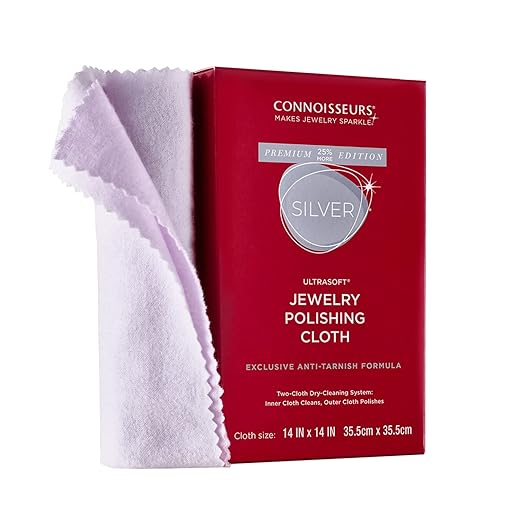
Extra-Large 14×14 Inch Silver Polishing Cloth
Two-step system removes tarnish and shines
Large two-step polishing cloth removes tarnish, applies an anti-tarnish shield, and buffs silver to a high luster. Convenient for at-home use or travel to keep rings, necklaces, and bracelets looking new.
Updated: 2 hours ago

Spotting plated vs. solid

Weight: solid pieces feel denser.
Hallmarks: 925, ALE, or “Sterling” usually mean silver; absence plus lightness suggests plating.
Visual wear: color loss at edges or on clasps = plating.

Quick decision checklist

If you see hallmarks and weight feels substantial → safe: polishing cloth and silver cleaner for tarnish.
If color rubs off or edges show base metal → avoid dips/abrasives; use mild soap and a super-soft cloth.
Leather → wipe, dry flat, use leather balm occasionally.
Fabric/silicone → mild soap, rinse, air-dry; avoid heat.

These cues let you pick cleaning methods that protect finish and avoid irreversible damage.

2

Everyday Quick Care: Fast Habits That Prevent Tarnish

Daily micro-habits that save time and shine

A few seconds after wearing keeps minimalist bracelets looking new. Wiping your bracelet with a soft cloth removes sweat, skin oils and tiny particles before they dull the finish. Real-world tip: after a day at work or a hot commute, a single pass prevents buildup that can take minutes to reverse later.

One-minute end-of-day routine

Use a lint-free microfiber or silver polishing cloth (examples: Zwipes Microfiber Jewelry Cloth 10×10 in or an Extra-Large 14×14 Inch Silver Polishing Cloth).
Gently run the cloth along the bracelet and charms, focusing on clasp and contact points.
Lay the bracelet flat to air for a minute, then store.

Small behaviors that cause most wear

Chemicals: household cleaners, hand sanitizer and chlorine strip finishes quickly.
Perfume & lotions: spray after dressing; wait a minute for products to absorb before putting jewelry on.
Sweat and heat: post-workout friction + salt speeds tarnish—remove before exercise when possible.
Abrasive contact: keys, rough denim and countertops scrape plating; keep bracelets on the inner wrist or remove for heavy manual tasks.

Reduce friction between charms

If charms clink, reposition them or use small silicone stoppers to keep them stationary—less rubbing means less edge wear.
Swap heavy charms for lighter ones during active days to limit movement.

These bite-sized habits require almost no time but dramatically extend the fresh, minimalist sparkle of your bracelet.

3

Safe Cleaning Methods: Gentle Techniques for Different Materials

Sterling silver — gentle deep clean

  1. Fill a bowl with warm water and a few drops of mild dish soap (Dawn or similar).
  2. Soak the bracelet 2–5 minutes; swish gently.
  3. Use a soft-bristle toothbrush (child’s brush) to loosen grime in crevices.
  4. Rinse under warm water, pat dry with a lint-free cloth, then finish with a microfiber or Connoisseurs silver polishing cloth for a light buff.

Plated pieces — minimal intervention

Use only very mild soap and water; no scrubbing with abrasives or pastes.
Pat dry thoroughly with a soft cloth; avoid vigorous rubbing that wears plating.
If dull, use a barely damp microfiber cloth (Zwipes Microfiber) and a single, gentle pass.

Leather cords

Wipe with a barely damp soft cloth—do not soak.
Dry immediately and let air-dry flat away from heat.
Condition sparingly (every 6–12 months) with a jeweler-recommended leather conditioner such as Bickmore Bick 4; test on an inconspicuous spot first.

Thin snake chains & tight crevices

Soak briefly in warm soapy water, then work a soft brush along the chain.
For charm gaps, wrap a toothpick in a tiny bit of cotton or use a jeweler’s blower/soft compressed air to dislodge particles.
Lay flat on a towel to dry completely before storing.

DIY cautions & quick product picks

Avoid toothpaste, baking-soda scrubbing, and strong chemical dips—these strip plating and can roughen silver.
Helpful tools: soft child’s toothbrush, Zwipes/Connoisseurs cloths, small jeweler’s blower—simple, low-risk items that save time and finish.

Next up: polishing techniques and how far to push the shine without losing the minimalist look.

4

Polishing Like a Pro: Tools, Techniques and When to Stop

Essential tools

Connoisseurs or Hagerty silver polishing cloth (embedded cleaner)
Lint-free microfiber cloth (Zwipes or Eagle Edgeless)
Soft-bristle brush (child’s toothbrush or a small artist’s synthetic brush)
Optional: jeweler’s blower or soft cotton swab for tight spots

How to polish (step-by-step)

Work on a flat surface with good light. Focus on the spot, not the whole piece:

Lay the bracelet flat; remove any loose charms if possible.
Use light pressure and small circular motions with a silver polishing cloth on tarnished areas.
Finish with a dry microfiber cloth to remove residue and restore satin shine.
Use a soft brush dipped in mild soapy water for crevices, then dry immediately.

Special care for plated surfaces

Polished plating wears quickly under aggressive rubbing. Limit polishing to a few gentle passes a year; prefer microfiber over active polishing cloths. If plating looks patchy, avoid further home polishing—re-plating by a jeweler preserves the finish.

When to stop and call a pro

Light tarnish and surface cloudiness—home-safe. Deep scratches, thinning or missing plating, or structural bends—seek professional polishing, re-plating, or repair. Jewelers can buff and re-plate without risking chain stretch or enamel loss.

Polishing charms and reassembly

Polish charms separately on a soft cloth to avoid catching. Inspect jump rings and clasps; gently rethread charms, and close rings with small pliers if needed. A careful reassembly prevents snagging or bending delicate chains.

Next up: smart storage, travel tips, and long-term maintenance to protect that freshly polished glow.

5

Storage, Travel and Long-Term Maintenance

Smart home storage

Keep minimalist bracelets safe by isolating them: anti-tarnish pouches or individual compartments prevent rubbing and chemical contact; soft-lined jewelry trays are great for display without tangles. Add humidity control—small silica gel packs or anti-tarnish strips slow corrosion in closets or drawers. Store bracelets flat and fastened (clasp closed) to avoid kinks and stretched links. In one real-world test, a friend who switched from a mixed-jewelry bowl to compartmental storage saw visibly less rubbing after six months.

Best Value
Anti-Tarnish Jewelry Storage Bags Pack of Ten
Protects silver for up to three years
Reusable anti-tarnish bags block humidity, corrosive gases, and airborne tarnish triggers to keep silver jewelry bright for up to three years. Soft interior prevents scratches, making them ideal for storage, gifting, or transport.
Updated: 2 hours ago

Travel packing and a quick-care kit

For travel, use a soft pouch (micro-suede or leatherette) inside a zip bag to isolate from other items. Pack a tiny microfiber polishing cloth and a spare sealable bag to quarantine any piece that shows wear. Suggested travel kit:

soft travel pouch (e.g., 10×15 cm)
folded microfiber cloth
small polishing sachet or pre-treated wipe
silica gel packet
spare zip-top bag

Keep bracelets flat in the pouch and close clasps to prevent charms from snagging clothing.

Seasonal deep checks & professional help

Every 3–6 months inspect clasps, jump rings, charm threads, and links for wear, thinning plating, or loose stones. Look for persistent dark spots or uneven plating—signs a pro should see. Consult an authorized jeweler (or a Pandora store) for re-plating, structural repairs, or ultrasonic cleaning to protect delicate finishes and warranty coverage.

Next, we’ll wrap up with simple daily habits. If you enjoyed this, you might also like [Best Pearl-Safe Polishing Pastes: 7 Jewelry Winners](https://adorepearl.com/best-pearl-safe-polishing-pastes-7-jewelry-winners/). to keep that minimalist spark alive.

Keep the Minimalist Spark Alive

Simple daily habits, gentle cleaning and smart storage preserve the understated beauty of minimalist Pandora bracelets. Build a tiny care kit—soft cloth, mild cleaner for compatible metals, and a travel pouch—and choose restraint when polishing to protect finishes.

These small measures keep pieces modern and fresh for years while letting your minimal designs shine. Start a kit today and treat delicate finishes with restraint. Your consistent, gentle care is the simplest luxury your jewelry deserves.

Previous

What Anniversary Is Pearl and How to Celebrate 30 Years Together

X