Broome on Australia’s Remote Kimberley Coast
On the far north-west coast of Western Australia, Broome sits beside the warm waters of the Indian Ocean, where red earth meets pale sand and long tidal flats stretch towards the horizon. Part of the Kimberley region, this small port town feels separated from Australia’s larger cities by distance, climate and character. The air carries salt, heat and the earthy scent of dry country after the sun has risen.
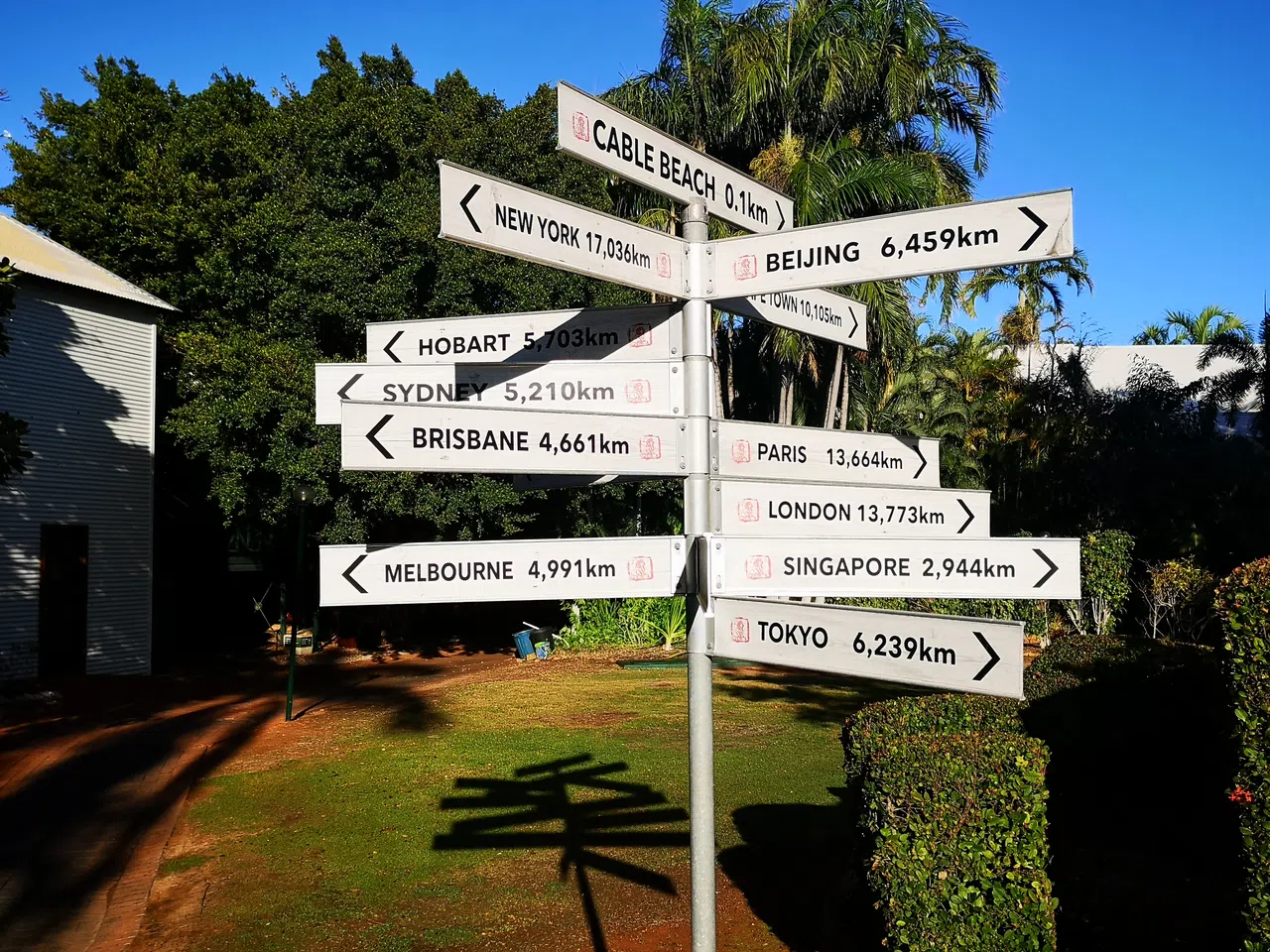
Broome is often called Australia’s Pearl Capital and, in many travel and historical accounts, the Pearl Capital of the World. Those titles grew from a period when the town stood near the centre of an international trade in mother-of-pearl shell. Its story is written in old warehouses, weathered streets, cemeteries, boats and family traditions brought from distant shores.
The town’s identity still rests close to the water.
How Broome Became the Pearl Capital of the World
The Global Demand for Mother-of-Pearl Shells
Before plastic became common, mother-of-pearl was valued across the world for its smooth surface and soft, shifting shine. Cut from shells, it was made into buttons for fine clothing and used in decorative objects. A small button could carry a subtle glow, changing from silver-grey to cream, green or pink as it caught the light.
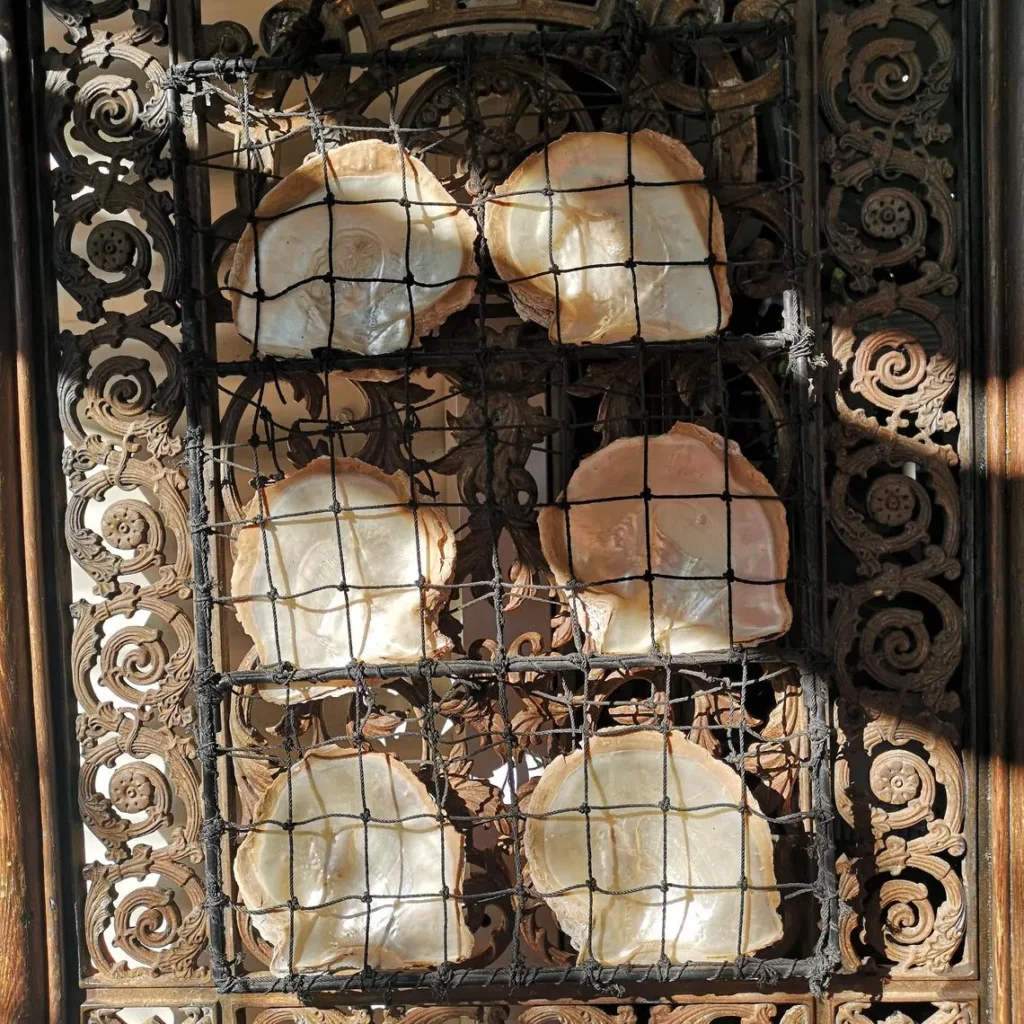
Broome’s waters contained large pearl oysters whose shells were prized by manufacturers. The trade was not built merely on the rare pearl found inside an oyster. The shell itself was the principal prize during the industry’s earliest and busiest years. Demand for fashionable mother-of-pearl buttons connected this remote Australian settlement with markets far beyond the Kimberley coast.
That connection gave Broome an international importance unusual for a town of its size. Ships arrived, supplies moved through the port, and buyers watched the harvest closely. The local sea became part of a much wider commercial world.
The Boom Years of the Late Nineteenth and Early Twentieth Centuries
During the late nineteenth century and the opening decades of the twentieth century, Broome reached its great pearling boom. At its height, the town supplied an estimated 70 to 80 percent of the world’s mother-of-pearl shells. It was an extraordinary share of a global trade, particularly from such a distant coastal settlement.
Pearling was hard and dangerous work. Divers entered the sea in demanding conditions, often using heavy equipment, while crews faced tides, weather and long periods away from shore. Behind the elegant finish of a mother-of-pearl button stood labour carried out beneath the surface of the sea and aboard working vessels.
The boom changed Broome’s streets and population. Businesses grew near the port, accommodation was needed for workers, and languages from across Asia could be heard alongside English. Wealth passed through the town, though the industry’s gains and hardships were not shared evenly by all who worked within it.
The Diverse Communities Shaped by the Pearl Industry
Asian Pearl Divers and Migrant Traditions
Pearling drew workers from Japan, Malaysia, the Philippines, China and Singapore. Their arrival gave Broome a cultural character unlike that of many Australian towns. Families and workers brought food, faith, customs, skills and memories from their home regions, creating a community shaped by movement across the sea.
Japanese divers became particularly closely associated with the industry. Their knowledge and endurance were central to pearling operations, yet their work carried great risk. The history of Broome’s pearling era cannot be separated from the experiences of these migrants, whose lives helped build the town’s reputation.
Malay, Filipino, Chinese and Singaporean connections also remain part of Broome’s social memory. They can be sensed in family histories, local names, cooking and community stories. Rather than a single cultural tradition, Broome developed through many voices arriving at a remote port and making a life beside the ocean.
Chinatown and the Japanese Cemetery
Broome’s Chinatown is a visible reminder of its pearling past. Its streets recall the commercial heart of a town where merchants, crews and residents met amid the heat and dust. Here, the pearling trade once shaped daily rhythms: boats needed provisions, shells required handling, and workers needed places to gather after time at sea.
The Japanese Cemetery is among the town’s most moving historic places. Rows of graves preserve the names of Japanese people connected to Broome’s pearling community, including divers who lost their lives. The site carries a quiet gravity, far removed from the bright glare of the beach or the bustle of the old port.
These places give the town depth. They show that Broome’s pearl story contains ambition and trade, but also loss, migration and endurance.
From Historic Pearl Port to Modern South Sea Pearl Producer
Pearl Farming in Broome Today
Broome remains an important source of South Sea pearls, which are admired for their size, lustre and gentle colours. Modern pearl farming has replaced much of the old shell-gathering economy, bringing a more controlled process to an industry once dominated by the search for mother-of-pearl shell.
On pearl farms, oysters are carefully tended in the sea. Time, water quality and patient cultivation all shape the result. The process depends on nature’s pace; a pearl cannot be hurried into its finished form. Each one develops gradually inside an oyster, layer by layer, until it gains its distinctive surface and glow.
Visitors to Broome may see how this work continues through farm visits and local displays. Such encounters connect the polished jewellery in a shop window with the saltwater origins of the pearl.
The Enduring Allure of South Sea Pearls
South Sea pearls possess a calm, luminous beauty. Their colours may suggest moonlight, cream, silver or a faint golden warmth. Unlike the sharp sparkle of cut stones, a pearl has a softer presence, formed through years of quiet growth in the sea.
For Broome, the pearl remains more than a luxury object. It is a symbol of the town’s history, labour and connection to the Indian Ocean. The modern pearl industry carries echoes of an earlier era, though its methods and markets have changed.
Experiencing Broome’s Coastal Scenery
Sunset Camel Rides on Cable Beach
Cable Beach is one of Broome’s defining sights: a long sweep of white sand beside clear blue water. Late in the day, the fierce brightness softens, and the sky begins to change through gold, apricot, violet and deepening blue.
Sunset camel rides have become a familiar Broome experience. Camels move slowly along the firm sand, their long shadows stretching across the beach as the sun lowers over the ocean. The scene has a gentle, unhurried rhythm, made more striking by the wide open shore.
At sunset, the coast seems endless.
The Staircase to the Moon Natural Phenomenon
At certain times of the year, Broome’s mudflats create an illusion called the Staircase to the Moon. As a full moon rises above the exposed flats at low tide, its reflection forms bands of light that appear like steps leading upwards through the night.
The effect is brief and dependent on the right conditions. People gather along the shore or at viewing points, waiting as the moon climbs from the horizon. For a few moments, the water and mud reflect a pale path beneath the night sky.
It is one of Broome’s quiet spectacles.
A Destination Where Culture, History and Nature Meet
Broome brings together stories that could not have formed in quite the same way anywhere else. Its pearling past links the Kimberley coast to Asia and to former fashion houses around the world. Its streets hold traces of migrant communities, while its cemetery preserves the cost paid by many who worked at sea.
Then there is the natural setting: the open beach at sunset, the red coastal earth, the broad tidal flats and the moonlit stairs that appear for only a short time. Broome feels shaped by both human movement and the slow forces of tide, shell, weather and season.
For visitors, the town is a place of beauty. For those who pause to look more closely, it is also a place of memory.