Why Tahitian Pearls Command Luxury Status
Defining Luxury in the Accessories Market
Luxury, in a measurable sense, combines scarcity, provenance, craftsmanship, and signaling power. Accessories that meet these criteria maintain pricing power across cycles, withstand trend churn, and convey cultural capital beyond their material cost. Tahitian pearls fit this model because their qualities are anchored in nature yet refined by human selection and design.
Their luxury status rests on three pillars. First, nature imposes limits: only certain oysters, waters, and time horizons produce them. Second, the value-to-visibility ratio is high; quality differences are instantly noticeable to trained eyes yet subtle enough to feel understated in public. Third, market structure—governed exports, grading frameworks, and brand curation—supports consistent quality while still leaving room for rarity premiums.
Put simply, scarcity with proof points.
Key Attributes That Elevate Tahitian Pearls
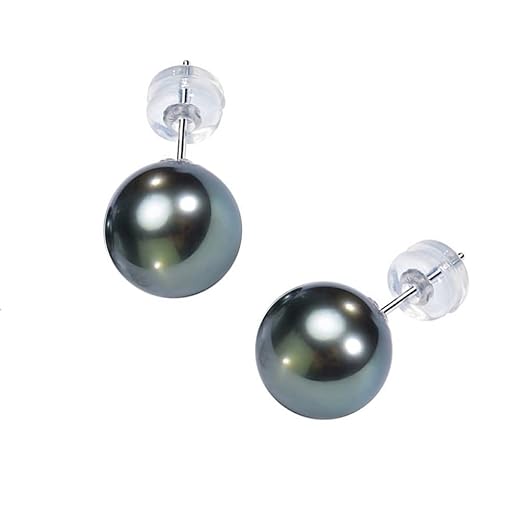
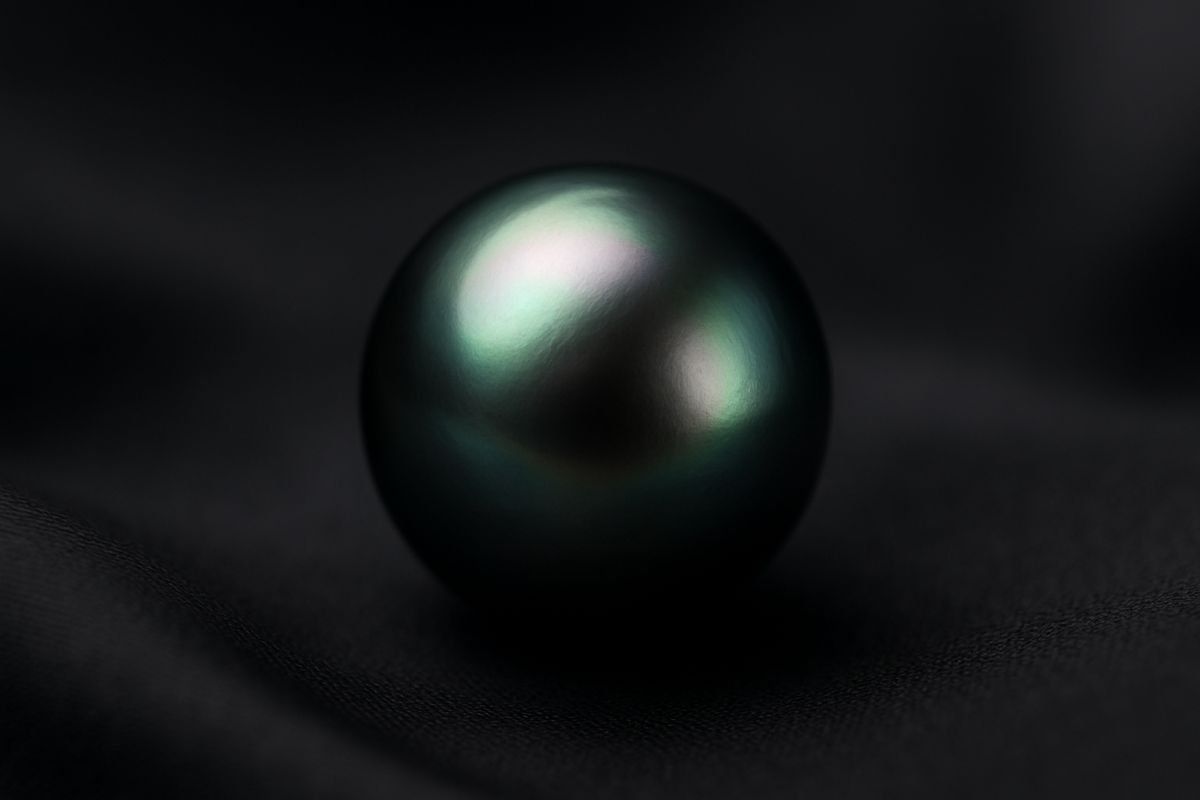
Tahitian pearls are known for a color range that extends beyond classic white. They exhibit a body color from silver to graphite with overtones such as peacock (green-purple blend), aubergine, pistachio, and blue. This chromatic complexity interacts with luster to create depth, giving the pearl an optical character jewelry metals alone cannot match.
Size is another attribute. While many saltwater pearls fall in the 7 to 9 millimeter range, Tahitian pearls commonly present larger diameters, and exceptional pieces go higher. Incremental millimeters significantly compound price due to biological constraints and risk during cultivation. Shape distribution also matters—perfectly round pearls are a minority of a harvest, and symmetry commands premiums.
Color tells a story.
Origins and Natural Characteristics
Pinctada margaritifera and the Color Spectrum
Tahitian pearls grow in the black-lipped oyster, Pinctada margaritifera. The oyster’s lip pigments seed the wide color spectrum. Melanin-like compounds and trace elements influence the final body tone and overtone mix, while nacre layer thickness controls how light interferes inside the pearl, producing iridescence known as orient.
The color system is not paint; it is physics and biology. Variations emerge from genetics, water chemistry, plankton composition, and the graft tissue used during culturing. As nacre layers build, microscopic platelets stack and reflect light in complex ways, which explains why two pearls with similar body color can exhibit entirely different moods under changing light.
No two peacocks are identical.
Habitat, Cultivation Zones, and Growth Cycles
Primary production zones include French Polynesia, the Cook Islands, and parts of Micronesia. Shallow lagoons provide stable temperatures, oxygenation, and nutrient flows. The health of these waters directly affects mortality rates, nacre deposition speed, and surface cleanliness. Environmental oversight in French Polynesia sets quality benchmarks and protects long-term viability.
The growth cycle typically entails nucleus insertion and mantle grafting, followed by 18 to 24 months or longer in the water. Farmers rotate, clean, and monitor oysters to reduce biofouling and stress. Extending growth can improve nacre thickness and luster but raises risk—storms, disease, and predation can erase years of work. Each month in the lagoon represents capital tied up and uncertainty carried.
Time is value made visible.
Rarity and Value Drivers
Size, Luster, Overtones, and Shape Distribution
Quality assessment begins with luster—the clarity and sharpness of reflections on the surface. High luster suggests orderly nacre layers and strong internal reflection. Then come surface features; blemishes and pinpricks interrupt light paths and reduce value, even when small. Overtones and orient add a secondary dimension: a green or purple halo over a charcoal body can add meaningful premiums when clean and balanced.
Size exerts a near-exponential effect on price. Each additional millimeter narrows supply due to lower survival at longer growth intervals. Roundness is scarce; only a small fraction of any harvest meets near-perfect spherical criteria. Baroque and semi-baroque shapes open creative possibilities and may carry reasonable entry prices, yet the market consistently rewards symmetry.
Shape scarcity is structural, not stylistic.
Supply Constraints, Harvest Yields, and Scarcity
Scarcity is not a marketing invention. Oysters have finite lifespans and limited capacity to host nuclei successfully. Some farms practice second grafting, which can produce larger pearls but with higher mortality risk and variable outcomes. Weather patterns, algal blooms, and water quality shifts can compress yields year to year.
Export regulations in key producing regions filter out thin-nacred or substandard pearls. While final yield figures vary, only a portion of harvested pearls reach high-grade classification suitable for fine jewelry, and an even smaller portion achieve top-tier combinations of size, luster, cleanliness, and roundness. That thin apex drives headline prices.
Scarcity drives price.
Craftsmanship and Grading
Grading Frameworks and Nacre Thickness Standards
Two grading languages dominate. French Polynesia commonly uses an A to D scale emphasizing surface and luster, with A at the top. Retailers worldwide often present AAA to A systems that, while similar in spirit, do not always map one-to-one. The prudent approach is to read the criteria behind the letters—surface cleanliness, luster intensity, nacre thickness, shape, and size—rather than rely on the letter alone.
Nacre thickness is crucial to both beauty and longevity. Regulatory minimums in French Polynesia set a floor around the sub-millimeter level to prevent export of thin-nacred goods. Thicker nacre generally improves luster quality and durability, reducing the risk of revealing the bead nucleus after years of wear or polishing. X-ray testing can verify thickness when stakes are high.
Clarity plus thickness sustains value.
Matching for Strands and the Cost of Perfection
Turning single pearls into coherent strands multiplies the difficulty. Matching requires alignment across body color, overtone, luster, shape, size progression, and surface characteristics. Even with large inventories, perfect alignment is infrequent, which forces prolonged curation and raises carrying costs for dealers.
The economic effect is straightforward: the price of an outstanding strand is not the sum of individual pearls; it includes the hidden cost of selection, rejected matches, and time spent building the set. This is why the most harmonious multicolor or peacock strands command significant premiums over comparable loose pearls.
Matchmaking is expensive.
Market Dynamics and Investment Perspective
Pricing Tiers, Auction Outcomes, and Volatility
Pricing tiers form along size and quality axes. Entry-level Tahitian pieces with lighter blemishing and moderate luster sit in accessible brackets, while large, clean, round pearls with vivid overtones push into high-value territory. Auction results periodically showcase exceptional lots—uniform large-round strands with rare color balance—that act as reference points for the top of the market.
Volatility enters through supply shocks, currency movements, consumer taste cycles, and macroeconomic shifts. Because production involves long lead times, farms cannot adjust instantly to demand spikes or lulls. The result is a market that can tighten quickly after poor harvests or loosen following strong output, with corresponding price moves in specific size and quality categories.
Cycles matter.
Resale Liquidity and Total Cost of Ownership
Liquidity for pearls differs from diamonds or signed vintage watches. Standardized price sheets are less entrenched, and value depends heavily on documentation, condition, and current fashion for specific looks. Resale channels include auctions, specialist dealers, and private sales, each with different fees and audience reach. Highly distinctive single pieces may find buyers faster than mid-grade strands without paperwork.
Total cost of ownership extends beyond purchase price. Insurance, periodic restringing, professional cleaning, and storage add to lifetime spend. Pearls reward careful handling; neglect can degrade luster and surface. Buyers who plan for maintenance protect value retention and wearable enjoyment.
Ownership is an ongoing practice.
Style Versatility and Cultural Capital
From Runway to Everyday Wear
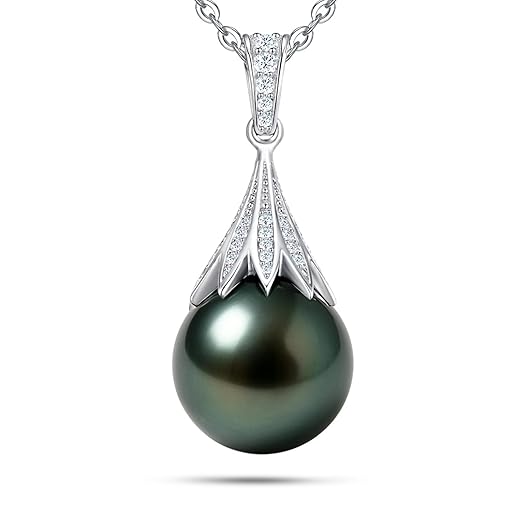
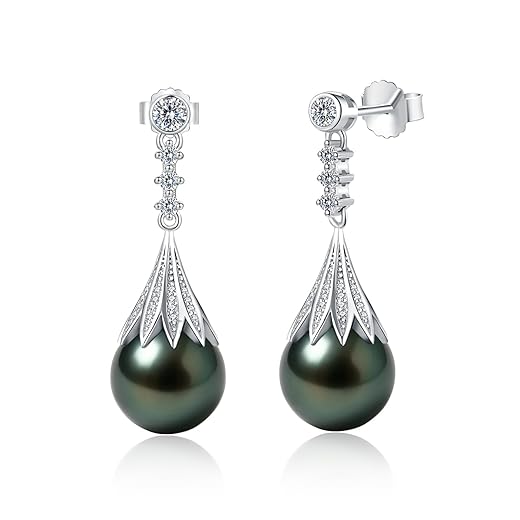
Tahitian pearls adapt across dress codes. A single medium-size pendant on a fine chain can function as an everyday uniform, while a high-luster multicolor strand suits evening wear without feeling ostentatious. Settings in yellow, white, or rose gold modulate temperature; diamonds or colored stones shift the center of gravity from organic to high-jewelry.
Men’s jewelry has added momentum, using larger baroque pearls on leather or chunky chains to create contrast. The organic irregularities read as intentional design choices. Because Tahitian pearls already carry a darker palette, they integrate seamlessly with monochrome wardrobes.
Understated or bold—both are viable.
Symbolism, Celebrity Influence, and Brand Positioning
Tahitian pearls carry Polynesian heritage and maritime associations. The darker body color signals rarity without shouting. Celebrity styling, red-carpet appearances, and editorial shoots accelerate recognition effects; the public learns what “good” looks like through repetition. Brands amplify this by standardizing peacock tones or by emphasizing sculptural baroques in limited collections.
Brand positioning matters for trust and aftercare access. Houses that control sourcing and invest in grading transparency tend to support long-term client confidence. Still, connoisseurship can be built outside marquee names through specialist ateliers that publish grading notes, nacre data, and origin assurances.
Signal meets substance.
Smart Buying and Long Term Care
Authentication, Treatments, and Vendor Due Diligence
Authenticity checks focus on origin, cultivation method, and treatments. Natural color Tahitian pearls differ from dyed alternatives in overtone behavior and nacre fluorescence under specific lighting. Reputable vendors disclose any enhancements. Independent reports, x-ray for nacre thickness, and high-resolution imaging provide extra assurance for major purchases.
Vendor diligence should cover return windows, buyback or upgrade policies, and in-house vs. outsourced grading. Ask for grading criteria definitions, not just letter grades. Compare pearls side by side under neutral light and daylight. If the seller avoids lighting transparency or resists questions about nacre thickness, reconsider.
Paperwork supports price.
Storage, Wear, and Maintenance for Longevity
Care routines keep luster alive. Wipe pearls with a soft cloth after wear to remove skin oils and cosmetics. Store them in a soft pouch separated from abrasive metals and gemstones. Avoid prolonged exposure to heat, dryness, or chemicals such as hairspray and perfume; apply those first, then add the pearls.
Contrary to many gemstones, pearls benefit from being worn. Ambient humidity and skin contact help prevent dehydration of the nacre. Schedule restringing at regular intervals, especially for frequently worn strands; knots between pearls prevent rubbing and reduce the risk of loss if a break occurs. Inspect clasps and silk for wear.
Consistent care preserves both beauty and value.