Introduction: The Political Power of Personal Style
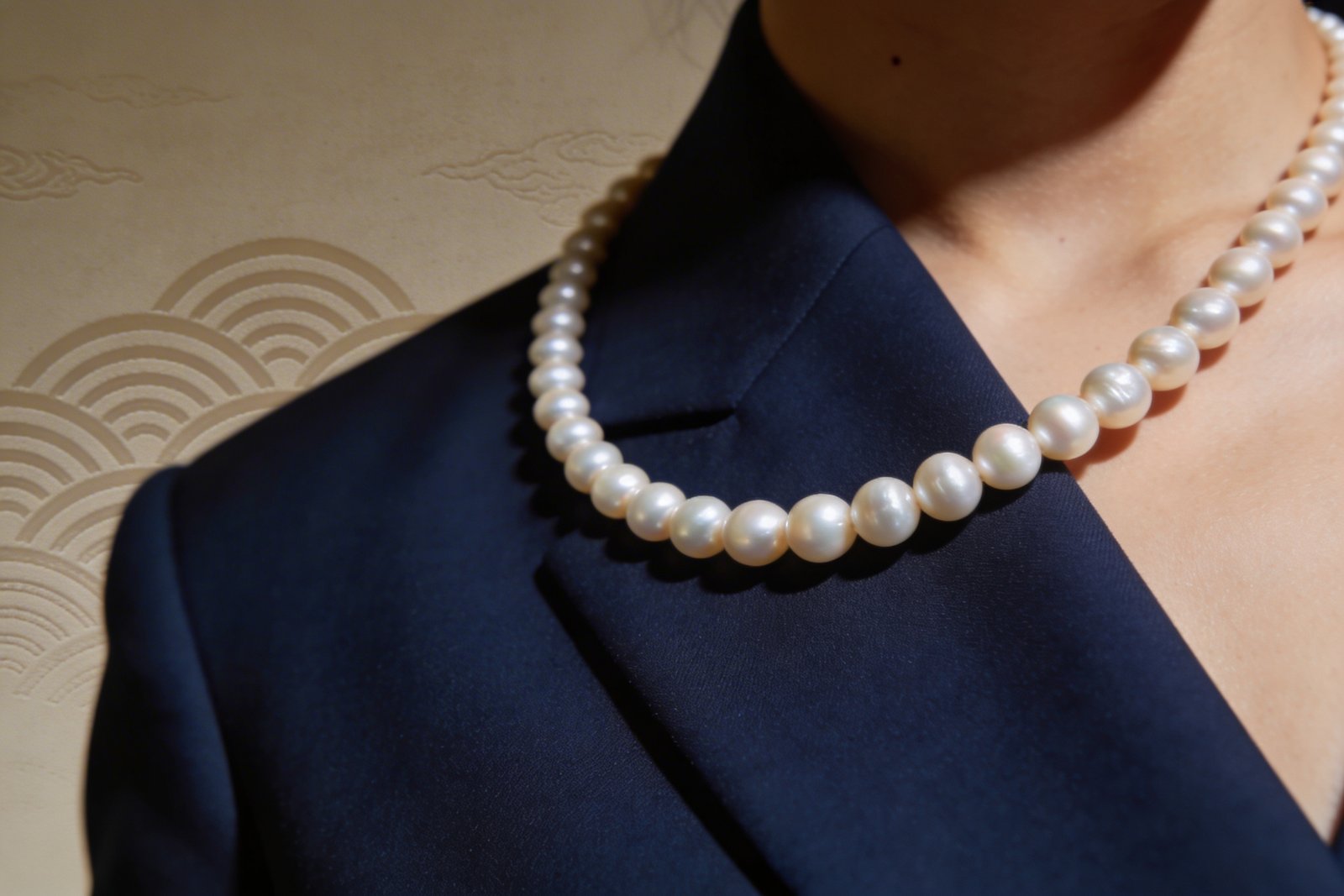
The intersection of fashion and politics has never been more pronounced than in the calculated sartorial choices of contemporary leaders. When Sanae Takaichi assumed office as Japan’s first female prime minister in 2025, her signature pearl necklaces and matching earrings quickly became more than mere accessories—they transformed into powerful instruments of political communication.
Visual identity in politics operates on multiple levels. It communicates authority, approachability, and cultural alignment simultaneously. Takaichi’s consistent choice to wear single-strand pearl necklaces paired with coordinating earrings represents a masterclass in strategic aesthetic messaging that transcends simple fashion preferences.
The emergence of her pearl jewelry as a recognizable visual trademark signals a sophisticated understanding of how personal style can reinforce political positioning. Each public appearance becomes an opportunity to project carefully curated messages about leadership philosophy, cultural values, and governance approach.
The Rise of Sanae Takaichi and Her Visual Identity
Takaichi’s ascension to Japan’s highest political office marked a historic milestone. Yet her visual presentation strategy began long before reaching the prime ministerial position. The consistency of her pearl jewelry choices across formal events, diplomatic meetings, and public addresses demonstrates deliberate brand construction.
Her preference for understated elegance through pearl accessories creates immediate visual recognition. This consistency builds familiarity and trust—psychological factors that prove invaluable in political contexts where public confidence directly impacts governing effectiveness.
The pairing of pearls with formal attire, particularly tailored suits, strikes a careful balance between traditional femininity and executive authority. This combination addresses the complex challenge facing female political leaders: projecting strength without abandoning cultural expectations of appropriate feminine presentation.
Pearl Jewelry as Political Branding Strategy
The strategic deployment of pearl jewelry as a branding tool reveals sophisticated political marketing principles. Pearls communicate restraint and refinement without suggesting ostentation or disconnection from ordinary citizens’ experiences. This positioning proves particularly valuable in cultures that value modesty and collective harmony over individual display.
Takaichi’s pearl choices create visual consistency across diverse political contexts. Whether addressing the Diet, meeting international leaders, or participating in ceremonial functions, the pearl necklace and earrings maintain her visual identity while adapting to situational requirements.
The jewelry functions as a subtle differentiator in male-dominated political environments. Rather than adopting masculine styling conventions entirely, the pearl accessories assert feminine presence while maintaining professional gravitas. This approach challenges traditional assumptions about power dressing in political contexts.
Cultural Context: Pearls in Japanese Society and Tradition
Japan’s historical relationship with pearl cultivation provides deep cultural resonance for Takaichi’s jewelry choices. The nation’s pioneering work in cultured pearl production, particularly Akoya pearls, established Japan as a global leader in this luxury market. This heritage connects her personal style to national pride and economic achievement.
Pearls carry specific symbolic weight within Japanese cultural frameworks. They represent dignity, formality, and respect for tradition—values that align closely with conservative political positioning and governance philosophies that emphasize stability and continuity.
The cultural appropriateness of pearl jewelry for formal occasions in Japanese society makes Takaichi’s choices appear natural rather than calculated. This seamless integration of personal style with cultural expectations strengthens the authenticity of her visual messaging.
Traditional Japanese aesthetics prize subtle beauty over flashy display. Pearl jewelry perfectly embodies these principles, allowing Takaichi to honor cultural values while establishing distinctive personal branding within political contexts.
The Symbolism of Pearls in Political Communication
Pearl symbolism extends far beyond aesthetic considerations into complex psychological and cultural territories. Historically associated with wisdom, pearls suggest thoughtful decision-making and mature judgment—qualities voters particularly value in executive leadership positions.
The organic nature of pearl formation—gradual development under pressure—provides metaphorical resonance with political leadership challenges. This symbolism subtly reinforces messages about patience, resilience, and the ability to create beauty from difficult circumstances.
Pearls represent a “soft power” approach to luxury consumption. Unlike diamonds or precious metals, which can suggest aggressive wealth accumulation, pearls convey refined taste without triggering populist resentment about elite disconnection from ordinary citizens’ experiences.
The balance between femininity and authority that pearls provide addresses one of the most persistent challenges in female political leadership. They allow projection of strength without requiring adoption of traditionally masculine styling conventions that might appear inauthentic or politically costly.
Comparative Analysis: Female Leadership and Jewelry Choices
Historical precedent exists for strategic jewelry deployment by female political leaders. Margaret Thatcher’s careful use of pearls and brooches established templates for projecting authority through traditionally feminine accessories that subsequent leaders have adapted and refined.
The emergence of a recognizable “female leadership visual code” spans cultural boundaries while adapting to local contexts. Takaichi’s pearl choices fit within this broader pattern while incorporating specifically Japanese cultural elements that enhance domestic political effectiveness.
International female leaders consistently face similar challenges in visual presentation: projecting competence and authority while maintaining cultural acceptability within societies that maintain traditional gender expectations. Pearl jewelry provides a globally recognized solution to these complex positioning requirements.
The consistency of pearl choices among successful female political leaders suggests effectiveness in addressing voter psychology and media presentation challenges. This pattern indicates that such accessories serve functional rather than merely decorative purposes in contemporary political communication.
Media Reception and Public Perception of Takaichi’s Style
Media coverage of Takaichi’s pearl jewelry reveals the broader significance of fashion choices in political discourse. Her accessories receive attention and analysis that extends beyond style reporting into discussions of leadership symbolism and cultural representation.
The subtle nature of her jewelry choices generates positive media reception by avoiding controversy while maintaining visual interest. This approach demonstrates sophisticated understanding of media dynamics and the risks associated with both excessive and insufficient attention to personal presentation.
Public perception of her pearl accessories appears overwhelmingly positive, reinforcing her image as composed, traditional, and authoritative. This reception validates the strategic effectiveness of using culturally appropriate luxury accessories to enhance political positioning.
The widespread recognition of her pearl jewelry as a signature element indicates successful brand building through consistent visual messaging. This recognition translates into political capital by creating familiarity and positive associations with her leadership.
Impact on Fashion Trends and the Pearl Industry
Takaichi’s prominent use of pearl jewelry has generated renewed commercial interest in Japanese pearl products, particularly Akoya and freshwater varieties. This influence demonstrates the economic impact that political fashion choices can generate within related industries.
Professional women increasingly view pearl jewelry as appropriate power accessories, partly influenced by high-profile political examples. This trend extends beyond Japan into international markets where female executives seek styling solutions that project both competence and femininity.
The pearl industry has experienced increased symbolic value attribution partly due to political associations with successful female leadership. This development enhances marketing narratives and consumer perception of pearl jewelry as investment pieces rather than merely decorative accessories.
Commercial ripple effects within Japan’s pearl industry indicate the broader economic influence of political fashion choices. Takaichi’s consistent pearl wearing provides indirect promotion for domestic luxury goods production and international export markets.
Strategic Messaging Through Aesthetic Choices
The deliberate nature of Takaichi’s jewelry selections reveals sophisticated understanding of visual communication principles in political contexts. Each appearance becomes an opportunity to reinforce core messaging about leadership philosophy, cultural values, and policy priorities through non-verbal means.
Her pearl choices communicate multiple messages simultaneously: respect for tradition, appreciation of Japanese cultural heritage, understanding of appropriate formal presentation, and commitment to understated rather than ostentatious leadership styles. This multilayered messaging maximizes the communicative efficiency of her visual presentation.
The consistency of her accessories across diverse political contexts demonstrates strategic rather than spontaneous decision-making. This consistency builds trust and recognition while avoiding the distraction that frequent style changes might generate in media coverage and public attention.
Strategic aesthetic messaging through jewelry choices provides female political leaders with tools for addressing unique challenges they face in projecting authority within traditionally masculine political environments. Takaichi’s approach offers a template for balancing cultural expectations with personal branding requirements.
Conclusion: Visual Communication in Modern Politics
Sanae Takaichi’s strategic use of pearl jewelry illustrates the sophisticated role that personal style plays in contemporary political communication. Her accessories function as powerful instruments of non-verbal messaging that reinforce policy positions, cultural values, and leadership philosophy through carefully calibrated visual choices.
The success of her pearl jewelry as political branding demonstrates the continued importance of traditional luxury accessories in modern governance contexts. Rather than becoming obsolete in digital communication environments, such tangible symbols gain increased significance as authentic expressions of leadership identity.
Her approach provides valuable insights into the fusion of culture, gender identity, and leadership branding within contemporary political frameworks. The pearls serve multiple functions simultaneously: honoring cultural traditions, establishing feminine authority, and creating memorable visual identity that transcends linguistic and cultural barriers.
The case study of Takaichi’s pearls reveals how visual communication in politics operates on levels far deeper than surface aesthetics, incorporating psychology, culture, economics, and strategic messaging into seemingly simple fashion choices that ultimately shape public perception and political effectiveness.