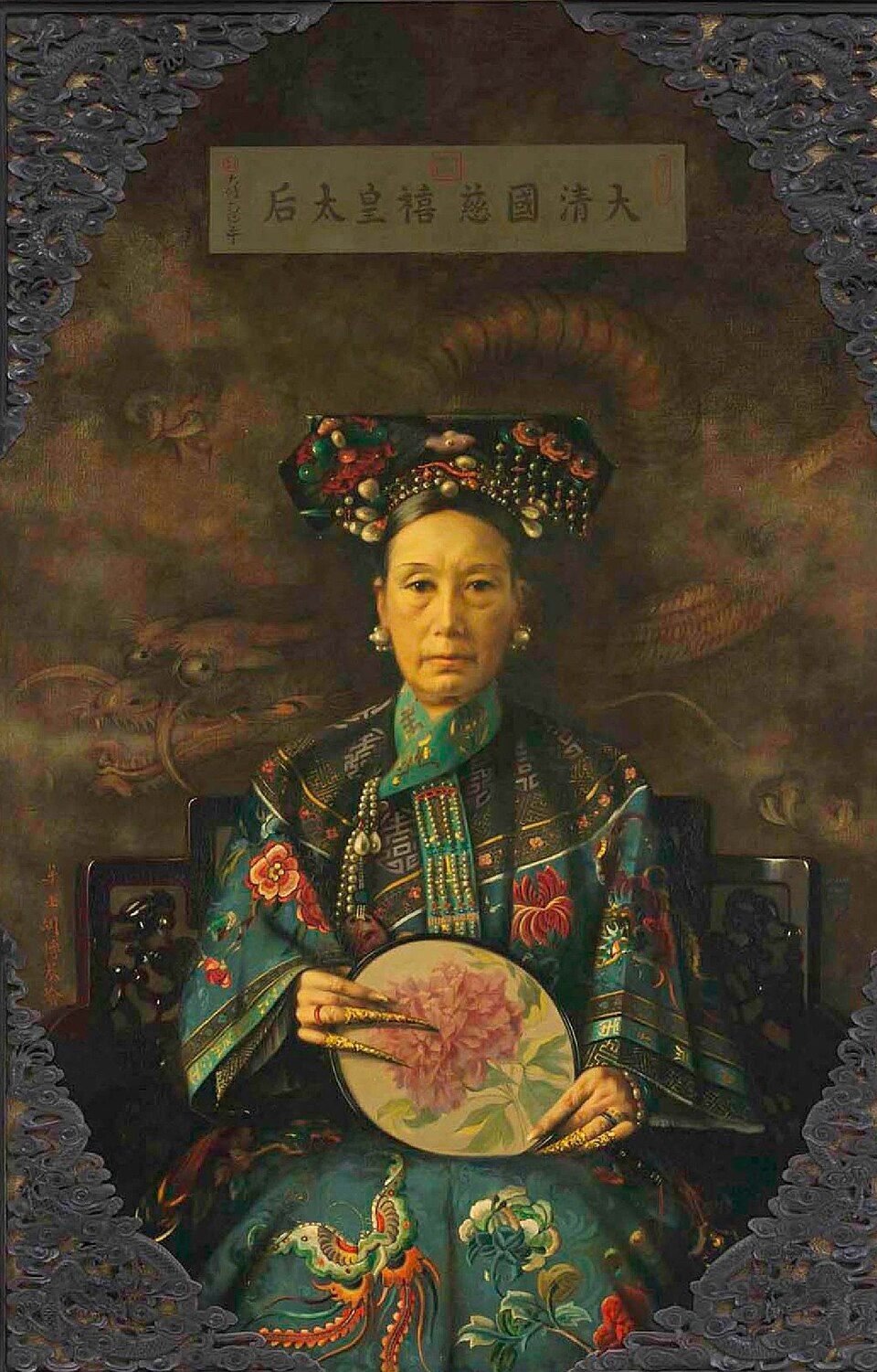
Empress Dowager Cixi, one of the most powerful and enigmatic figures in China’s imperial history, was known not only for her political acumen but also for her extravagant taste—especially her obsession with pearls.
The Origins of Empress Dowager Cixi’s Pearl Obsession
Cixi’s fascination with pearls ran deep, rooted in ancient Chinese traditions. These gems weren’t just pretty—they symbolized imperial power and a kind of mystical protection.
The Qing Dynasty ruler saw pearls as more than decorations. She believed in their spiritual power, drawing from centuries of Chinese ideas about wisdom and immortality.
Symbolism of Pearls in Chinese Culture
Pearls carried extraordinary meaning in Chinese imperial circles long before Cixi’s day. They stood for purity, wisdom, and celestial power.
Ancient texts called pearls “moon tears” that dropped into the sea, tying them to lunar cycles and feminine energy. For the imperial court, pearls were proof of the emperor’s divine right.
Their roundness meant perfection and completeness. That shine? People saw it as a reflection of a pure soul. Artisans often carved dragons chasing pearl orbs, linking the gem tightly to imperial authority.
Cixi found forgotten treasures in the palace, including rare pearls left behind by earlier rulers. She seemed to know instantly how important they were.
Strict rules in the Qing Dynasty meant only the imperial family could wear certain pearls. That exclusivity just made them more desirable for Cixi.
Auspicious Meanings and Spiritual Beliefs
Pearls were thought to have magical protective powers. Many believed they could keep evil away and bring good luck.
In traditional Chinese medicine, pearl powder held great value. People claimed it helped you live longer and kept your skin youthful. The wealthy even drank it in teas.
For Taoists, pearls meant immortality and rebirth. They supposedly held energy from the ocean’s depths, making them vital for imperial burials.
Cixi leaned into these beliefs during her nearly 50-year rule. Pearls became part of her daily rituals and ceremonies. Her lavish lifestyle was full of pearls—on clothes, in jewelry, everywhere.
Buddhism added another layer. Pearls stood for the “pearl of wisdom”, a symbol of enlightenment. That spiritual mix made them all the more important at court.
Iconic Pearl Artifacts of Cixi’s Reign
Cixi put together a jaw-dropping collection of pearl artifacts, each one a testament to her power and taste. Among the most famous: a dazzling pearl cape, jade accessories with gold clasps, and a mysterious night pearl that glowed in the dark.
The Famous Pearl Cape
Cixi’s pearl cape became a symbol of her authority. It was covered in hundreds of pearls, each sewn onto silk in intricate patterns.
Photos from 1902 to 1904 show her wearing this cape at official events. Craftsmen attached each pearl by hand with gold and silver thread—no shortcuts.
The cape set a trend at court. Others tried to imitate it, but honestly, nobody matched the splendor of Cixi’s original.
Key Features:
- Hundreds of pearls, all sizes
- Silk base with gold threading
- Complex geometric designs
- Reserved for major state occasions
Jade Pendants and Gold Clasps
Cixi loved pairing pearls with jade and precious metals. The combos showed off her refined style and China’s reach for rare materials.
She had jade from all over China, matched with southern pearls. Jewelers crafted gold and silver clasps to bring it all together.
Sometimes she wore several sets at once. Each piece wasn’t just pretty—it symbolized different aspects of her rule.
These jewels made a statement. Foreign diplomats and officials couldn’t help but notice the message: Cixi was in charge.
The Pearl of the Night
The most mysterious piece? Cixi’s night pearl—an egg-sized gem that supposedly glowed in the dark. It was placed in her mouth when she died, following age-old burial customs.
The night pearl was made of two pieces that, when joined, gave off a green light. Some court records claimed you could see clearly for a hundred steps by its glow.
The pearl vanished after tomb robberies decades later. Rumors suggest it may have fallen into private hands, though its true whereabouts remain unknown.
Specifications:
- Size: About as big as an egg
- Construction: Two parts
- Light: Green glow
- Estimated Value: 800 million yuan
The Night Pearl: Legend, Ritual, and Disappearance
The night pearl placed in Cixi’s mouth at burial became one of history’s most sought-after lost treasures. It vanished during tomb raids, sparking endless speculation.
Imperial Burial Customs and Pearls
Chinese emperors and empresses were buried with lavish objects to protect them in the afterlife. The Qing Dynasty took these customs to new heights.
Cixi’s night pearl was placed in her mouth as tradition demanded. It was huge, able to split into two pieces.
When closed, it formed a perfect sphere. The pearl glowed green, lighting a dead person’s face in pitch darkness.
People believed such pearls could stop a body from decaying. In 1908, it was valued at 10.8 million taels of silver—that’s about 810 million yuan today.
The Forbidden City held many treasures, but this pearl was in a league of its own.
The Mystery of the Missing Pearl
The pearl disappeared during wartime chaos when tomb raiders disturbed Cixi’s grave. Sun Dianying, a notorious warlord, led the most infamous raid in 1928.
His men looted Qing burial sites, and the night pearl was never seen in official records again.
Rumors say the pearl surfaced with a U.S. tycoon, but it’s never been proven. No one knows for sure where it ended up.
Some say it was destroyed, hidden, or quietly sold to collectors. The Chinese government never got it back.
Looting of Cixi’s Tomb and Aftermath
Cixi’s tomb was ransacked in 1928 by warlord Sun Dianying, who made off with treasures including the legendary night pearl. The loot scattered across the world, winding up in foreign collections.
Sun Dianying and the 1928 Plunder
Sun Dianying stormed the Eastern Qing tombs in June 1928. His troops targeted Cixi’s chamber for its incredible riches.
The looters desecrated Cixi’s body, tossing her remains aside as they ripped apart burial garments for valuables.
Key stolen items:
- Egg-sized night pearl
- Gold and silver jewelry
- Precious stones from burial robes
- Elaborate ceremonial objects
Trucks left loaded with treasures, including the priceless night pearl. It was Cixi’s most treasured possession.
Sun Dianying faced pressure from Chiang Kai-shek’s government but dodged punishment by bribing officials with loot.
International Fate of the Imperial Pearls
The night pearl vanished into the international black market after the raid. Some say it ended up with a U.S. tycoon, but the story’s never been confirmed.
Experts argue it might be the “Imperial Hong Kong Pearl” or “Miracle of the Sea”, though that’s hotly debated.
Other treasures from Cixi’s tomb turned up at auctions and in private hands across Asia and Europe.
Current status of major items:
- Night pearl: Still missing
- Gold jewelry: Private collections
- Precious stones: International art markets
The Chinese government never recovered the night pearl. The loss is a major blow to China’s cultural heritage.
Between Aesthetic and Obsession
Cixi’s connection to pearls wasn’t just about luxury. It was a calculated show of imperial authority, blurring the line between personal passion and political necessity.
Her collection was both a statement of taste and a bold reminder of China’s wealth in an era of rising foreign threats. Maybe it was obsession—or maybe it was just good strategy.
Pearls, Power, and Visual Authority
Cixi knew that showing off wealth meant more than just looking rich in imperial China. Every shimmering pearl was a calculated move—a way to keep her grip on power for nearly fifty years.
The empress didn’t just collect pearls at random. She managed to acquire only 10 night pearls in her lifetime, so every single one mattered. These luminous stones weren’t just pretty; they hinted at something almost mystical about her rule.
Her pearl cape? That was no ordinary accessory. It appeared in official photographs between 1902 and 1904, right when China faced intense foreign pressure. Each pearl stitched into it was a quiet declaration—China’s not done yet.
- Diplomatic messaging—sending signals with showy displays
- Court hierarchy—limiting access to reinforce status
- Cultural symbolism—linking pearls to centuries-old imperial traditions
- Personal branding—crafting her image as Asia’s most powerful woman
The Night Pearl fixation ran deeper than just luxury. These glowing stones brought a literal and emotional glow to some of China’s bleakest political moments.
Echoes of Extravagance in Global History
Cixi’s love for pearls wasn’t an isolated quirk. History’s full of powerful women who wielded luxury as a weapon—or maybe a shield.
Take Cleopatra, for example. She famously used powdered pearl in her beauty routine. It wasn’t just about looking good; it was about sending a message in a world run by men.
European queens, too, went all-in on jewels. But Cixi’s passion for pearls—rather than a mix of gems—set her apart.
| Ruler | Primary Luxury Focus | Political Context | Duration of Power |
|---|---|---|---|
| Cixi | Pearls, jade | Foreign intervention threats | 48 years |
| Cleopatra | Pearls, gold | Roman expansion | 21 years |
| Catherine II | Diamonds, emeralds | European wars | 34 years |
The Imperial Hong Kong Pearl—Miracle of the Sea—is a perfect example. Rulers didn’t just wear these gems; they wielded them as tools of statecraft.
Honestly, not many in Chinese history matched Cixi’s focus on pearls. Earlier rulers spread their attention across a wider range of luxuries, making her single-mindedness a rare thing in the Qing Dynasty.
What Lies Beyond the Pearls
Cixi’s obsession with pearls raises bigger questions. Did she truly love them, or was it all for show? Maybe it was both—projecting authority while indulging personal taste.
The Never-Ending Dance of Power and Beauty
Throughout time, rulers have known that flaunting wealth sends a message. Cixi took this idea and ran with it, using her pearls to make statements no one could miss.
Her legendary 3,500-pearl net cape was more than just a fashion piece. It told visitors and subjects alike—look at this precision, this control. The sheer number was a not-so-subtle flex of the empire’s resources.
- Intimidated foreign diplomats during tense meetings
- Reinforced her claim to the throne
- Showcased Chinese culture’s sophistication
- Left unforgettable visual impressions
That pearl cape, especially in diplomatic photos, became iconic. Whenever Cixi posed with foreign dignitaries, her pearls were front and center—reminders of imperial grandeur.
Her collection of 10 night pearls stood at the top of this beauty-power pyramid. They weren’t just rare; to many, they hinted at something almost otherworldly about her authority.
Cixi’s Pearl Obsession: Self-Expression or Something More?
Plenty of evidence points to Cixi’s pearl obsession being more than political showmanship. Her choices hinted at a genuine fascination, not just a sense of royal duty.
The empress dowager handpicked pearls using quality standards that honestly went way beyond what was needed. She insisted on perfect spheres and that unmistakable glow.
That level of detail feels like true connoisseurship, not just collecting for show.
Her personal connection to pearls showed up in all sorts of ways:
- Wearing pearl accessories even in private
- Requesting specific pearl arrangements for her burial
- Getting directly involved in pearl trading deals
- Growing attached to certain favorite pieces
The famous night pearl placed in her mouth at death is maybe the most telling detail. Sure, it followed ancient Chinese customs, but it also seems like her own way of keeping that bond alive, even after death.
Sometimes, her choices were downright impractical. The heavy, elaborate pearl garments made it tough to move—clearly, style mattered to her more than comfort.