 Pearls Have Opinions And They Are Loud
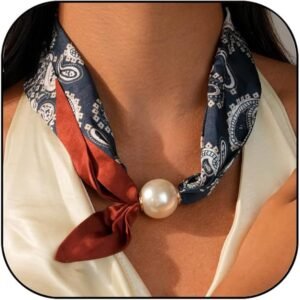 Pearls Have Opinions And They Are Loud
Pearls don’t whisper. They commentate like a fashion sports announcer with a double espresso. Slide a strand around your neck and watch your whole outfit suddenly acquire a personality. Calm. Chaotic. “CEO with a hobby farm.” The pearls know.
They’re tiny moons with mood swings. Each one carries a backstory: the mollusk, the water, the patience, the occasional crustacean side-eye. Then you toss them into a meeting, a wedding, or the cereal aisle, and they start sending messages like teens in a group chat.
Sometimes they judge your blouse. Sometimes they judge your life choices.
Often, they’re right.
Short version: pearls talk. Loudly.
The Language of Pearls and Why It Matters
If a T-shirt says “I tried,” pearls say “I planned.” Jewelry is never neutral; it’s punctuation for your public self. And pearls, specifically, are the comma, semicolon, and occasional exclamation point of adornment.
They’re classic, yes, but classics still carry subtitles. The trick is knowing what yours are saying before your pearls RSVP on your behalf.
From Adornment to Identity Signal
Once upon a time, pearls just showed up to sparkle politely. Then they learned Wi‑Fi. Now they ping people’s brains with context: authority, romance, heritage, rebellion, or “I know the good bakery, follow me.”
A single pearl stud can mean restraint or stealth wealth. A choker can read punk, preppy, or “I survived the 90s and kept the receipts,” depending on the rest of your outfit. Rope-length strands whisper boardroom or bohemian—or both, if you pair them with linen and a calendar full of mergers.
They’re not cynical; they’re efficient. Humans read symbols. Pearls supply them. You’re broadcasting even if you didn’t set up the station.
How Semiotics Applies to Jewelry
Semiotics is the study of signs. In pearl-speak, the signifier is the little round miracle; the signified is what folks think when they see it. Codes multiply: historical uses, celebrity styling, cultural stories, even your posture. A strand plus a cardigan can signal alumni brunch. The same strand with leather says “I’ll have the espresso and the existentialism.”
Meaning isn’t fixed. It’s negotiated every time you open your jewelry box. Your job: pick the pearl combo that closes the deal you want—date, deal, or delicious brunch table.
Form Factors That Speak
The form of a pearl is an opinion wearing gloss. Shape, size, and how you attach them change the subtitles. Your neck is now a messaging platform. Congratulations?
Shape and Symmetry
Round pearls are the classic honor students—predictable, tidy, and ready for parent-teacher conferences. They radiate balance and tradition. Near-round softens that precision, like a laugh at a board meeting.
Baroque pearls are the poets. Lumpy, luminous, gloriously individual. They say art gallery, indie band manager, or “I could start a pottery cult, but I choose kindness.” Button shapes hug the ear with quiet practicality. Drop shapes flirt with gravity and afternoon champagne.
Symmetry reads as formal, measured. Asymmetry reads as human, warm, possibly wearing interesting shoes.
Size and Proportion
Pearl size is volume control. Tiny Akoyas murmur “refined.” Twelve-millimeter South Sea orbs announce they have a calendar, a trainer, and an ennui-free skincare routine. Match scale to your frame, neckline, and event. If your pearls enter a room three minutes before you do, they’re either magnificent or mutinying.
Also, length matters. Chokers lift the face and sharpen edges. Opera lengths sweep and swagger. Lariats? They’re basically jewelry taking a line dancing lesson.
Settings and Stringing Choices
Studs versus drops. Knotted silk versus wire. Chunky clasps versus invisible ones that ghost you mid-party. Settings push the vibe. Yellow gold warms. White metals cool. Leather cords put the pearls on a first-name basis with your biker jacket.
Knots protect each pearl and add a nibble of breathing room. Graduated strands feel vintage and intentional; uniform strands read tailored and modern. Layering multiple strands is advanced pearl algebra. Pass with flair.
Color as a Mood and Message
Pearl color is tone of voice. Whisper, wink, or call an Uber. Natural and treated hues each deliver different moods, like a palette of polite personality shifts.
White and Cream
Classic wedding energy. White and cream read fresh linen, steamed dumplings, and clean email inboxes. They brighten faces, flatter almost every skin tone, and behave nicely at job interviews. With a black turtleneck, they transform into minimalist sculpture. With denim, they say “I iron emotionally.”
If in doubt, these are Switzerland. Chic, neutral, occasionally into fondue.
Rose and Pastel
Soft pinks, lilacs, and powdered shades lean romantic and approachable, but not flimsy. Pair with suiting to add humanity to spreadsheets. Combine with florals to risk being mistaken for a charming period drama (worth it).
Pastels also serve as stealth glow filters under harsh lighting. Radiant and slightly “I read poetry once and liked it.”
Golden and Champagne
Sunlit and confident. Gold pearls—especially from South Seas—walk in wearing sunglasses and perfect timing. They love warm skin tones, camel coats, and the word “estate.” Champagne shades keep the warmth but dial down the swagger, making them brunch-friendly and less likely to steal your fries.
They suggest success without the press release.
Black and Peacock
Mood: night garden. Black pearls (often Tahitian) flash greens, purples, and blues like auroras with good credit. They skew modern, dramatic, and wonderfully mysterious. Great for evening, monochrome outfits, and anyone who wants their jewelry to know a secret.
Add a leather jacket for chaos. Add silk for silent power. Do not add both unless you enjoy causing crushes.
Silver and Blue
Cool, crisp, and slightly futuristic. Silver and blue greys flatter cooler complexions and winter wardrobes. They pair well with minimalist silhouettes and sharp tailoring. Add them to white shirts for a “my calendar includes oceans” effect.
They’re the pearls that use a planner and color-code their calm.
Cultural and Generational Readings
Pearls collect stories across centuries and cities. Your strand is basically a podcast of human taste with better lighting.
East and West Narratives
Across many East Asian traditions, pearls symbolize wisdom, purity, and the moon—gifts that arrive through patience. Courtly attire and ceremonial dress featured them as luminous blessings. In Euro‑American contexts, pearls swung between aristocratic formality and 20th‑century everyday chic—the jump from tiara events to “breakfast with Audrey” changed everything.
Today, these threads mingle. You’ll see sleek Japanese Akoyas with streetwear, and Tahitians punctuating suits in Paris and Seoul. The result: broader vocabulary, richer meanings, fewer rules, more delight.
Vintage Revival and Modern Subversion
Grandma’s strand has opinions, yes, but Gen Z adds safety pins and a hoodie, and suddenly Nana’s pearls are moshing. Designers remix heirlooms with chunky chains, mixed metals, and joyful irreverence. The old “good pearls for good girls” trope? Retired. Your grandmother is relieved and possibly wearing platform loafers.
Revival doesn’t mean cosplay. It means context. Wear the classic clasp; add a modern lip. Let history and mischief share a Lyft.
Gender Inclusive Pearl Styling
Pearls on men, nonbinary folks, everyone—excellent news. From red carpets to coffee runs, pearls have escaped a dusty gender closet and are thriving. A single strand with a tee. A wild baroque pendant on a sweater. Studs on a jawline that means business.
The message is simple: elegance belongs to all humans with earlobes, necks, or pockets.
A Decision Framework to Choose Your Pearl Story
Decision time doesn’t require a PhD or a loupe welded to your face. Use a tidy checklist, sprinkle humor, avoid chaos. Easy.
Define the Audience and Occasion
Who’s looking and why? Board meeting, date night, art opening, parent‑teacher conference, karaoke finals? Each scene favors different subtitles. Formal events lean structured and restrained. Creative spaces welcome asymmetry, color, and messier joy. If the lighting is fluorescent, favor whites and creams; if candlelit, let deeper hues glow.
Also, how do you want to feel? Grounded. Playful. Unbothered. Start there.
Select Variables to Match Intent
Translate mood into elements:
– Shape: Round for authority; baroque for artistry; drops for movement.
– Size: Understated (5–7 mm) for daily polish; bold (9–12 mm) for statements.
– Length: Choker to lift; matinee for versatility; opera for drama and layering wizardry.
– Color: Warm tones for warmth (shocking, I know); cool tones for steel and poise.
– Metal: Yellow gold for glow; white metals for clarity; mixed metals for mischief.
– Setting: Studs for “I listen”; drops for “I speak”; pendants for “I monologue, but charmingly.”
Aim for two ideas, max. “Minimalist drama” is a thing. “Romantic punk boardroom brunch” is… a lot.
Avoid Mixed Signals and Common Pitfalls
– The perfume trap: Spritz first, pearls last. Chemicals can grump the nacre.
– The makeup nap: Put pearls on after makeup; take them off before removing it. Skin oils happen.
– The length lie: Chokers sneak shorter when you move. Measure twice, sing once.
– The clasp con: Weak clasps are tiny chaos gremlins. Upgrade before your pearls meet the sidewalk.
– The laundry incident: Pearls hate hot water, detergents, and spin cycles. They are tiny divas. Respect.
Finally, don’t overthink. If your reflection smiles back, you decoded the message.
Seal It With A Clasp: The Takeaway
Pearls carry stories, opinions, and the occasional side‑eye. Shape, size, color, and setting build a vocabulary that helps you send the right memo to the world—and to yourself. Classic doesn’t mean quiet; it means clear. Let your strand say what you mean, whether that’s “hire me,” “kiss me,” or “pass the olives.”
Keep them clean, let them rest flat, and knot them like you love them. Then fasten that clasp with a flourish.
Your pearls are ready to talk. Make sure they’re saying something you’d actually post.
