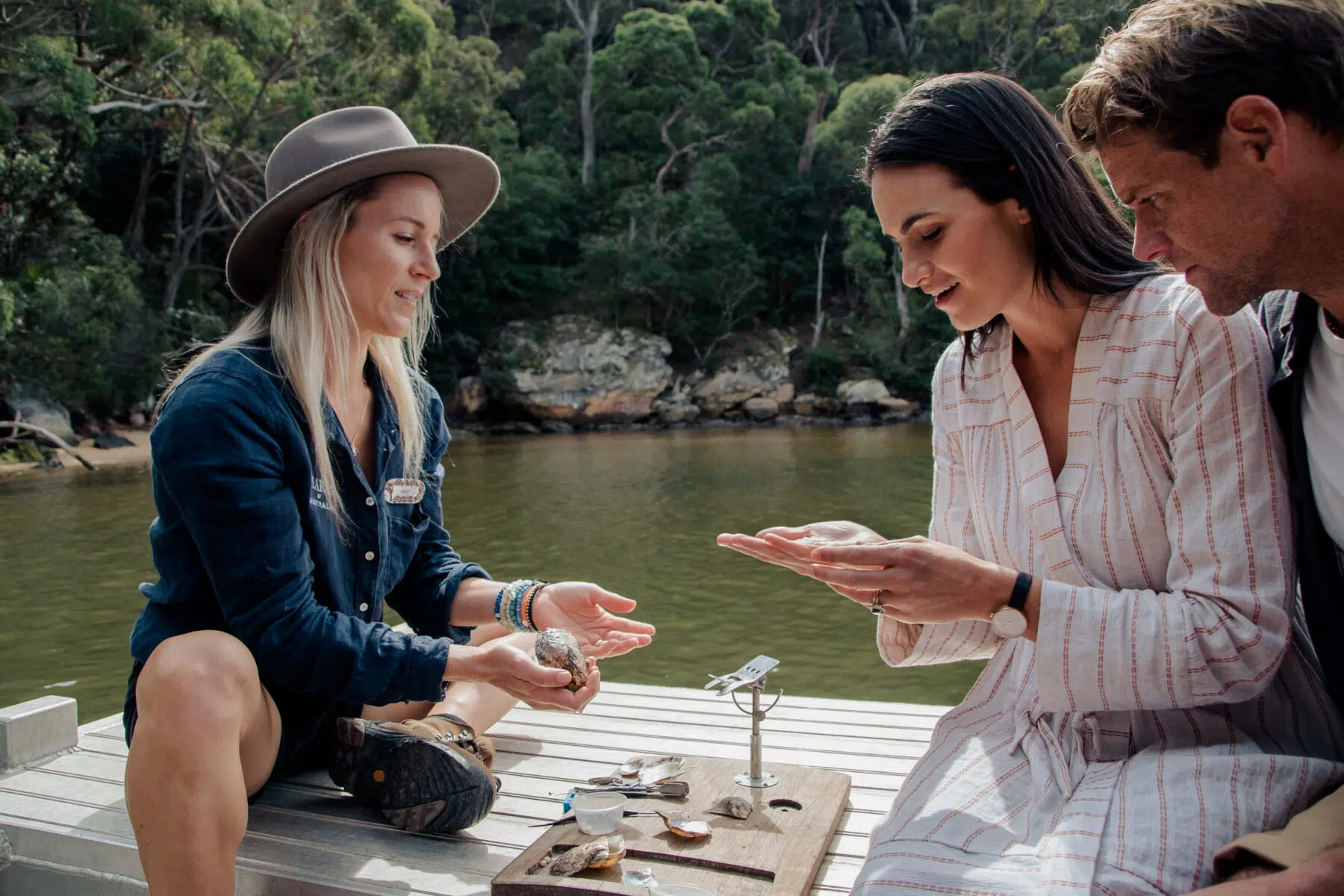
Overview of Oyster and Pearl Farm Tours
Pearl and oyster farm tours give visitors a close view of aquaculture and gem creation. These outings blend on-water experiences, visits to working leases or “paddocks,” and practical sessions that explain how pearls are seeded, grown, harvested, and graded.
Most programs are led by farm staff. That means you’re guided by people who handle oysters daily, understand seasonal rhythms, and can answer technical questions on the spot. Expect boat rides, handling equipment, and seeing the difference between river estuaries and open‑ocean sites.
Tours often run with small groups. This keeps demonstrations easier to see and allows time for questions.
What You Will Learn and See
Seeding and harvesting demonstrations
Pearl seeding is at the heart of cultured pearl farming. During a seeding demo, technicians show how a nucleus and a tiny piece of donor mantle tissue are placed into a host oyster. This delicate process is done with precision instruments to minimize stress and improve the chance of nacre deposition around the nucleus. You’ll often hear how water temperature, salinity, and oyster health influence success rates.
If harvest is underway, you may watch oysters being opened and pearls removed. Staff typically explain how long each oyster was in the water, why some produce higher luster, and how farms manage non‑round shapes, baroques, and second grafts. Seeing the full cycle—from tiny seed to finished gem—clarifies why quality pearls take time.
It’s meticulous work.
Pearl grading and selection
Grading sessions break quality into several components: luster, surface, shape, color, overtone, and size. Luster refers to how sharply light reflects from the surface; high‑luster pearls show crisp reflections. Surface describes the presence of spots, pits, or lines. Shape spans perfectly round to baroque, with near‑round, button, and drop shapes in between. Color ranges from white to cream, silver, gold, and various natural hues, while overtones add rose, silver, or green tints. Size is measured in millimeters.
On many tours, you’ll handle sample trays and compare qualities side by side. Staff often demonstrate how slightly different lighting can change your perception of luster and overtone, and how matching pairs requires attention to dimension, hue, and surface. This hands‑on time helps visitors make better decisions if they plan to buy at the source.
Bring questions to the grading table.
River and ocean farm visits
Some farms sit in sheltered rivers or bays; others are anchored offshore. River and estuary leases, like those on the Hawkesbury River in New South Wales, use calmer waters where nutrient flow supports both oysters and their microalgae diet. Ocean farms benefit from strong currents and clean, deep water but can be more exposed to weather.
On the water, you’ll see long lines, buoys, baskets, and cleaning equipment. Guides explain maintenance cycles, fouling control, and how gear is raised for inspection. Polarized sunglasses help you spot submerged lines and baskets. Boat time varies, so check tour details if you prefer shorter or longer on‑water segments.
Expect changing conditions on the water.
How to Choose a Tour
Accessibility and group size
If mobility is a concern, ask about dock access, step heights, and restroom availability. Boarding small boats may require agility, and some tours include walking on floating pontoons. Group sizes differ widely; smaller groups usually provide clearer views during seeding and more time at the grading table. If traveling with children, confirm age guidelines and life jacket availability.
Weather policies matter. Wind or heavy rain can shift itineraries or move sessions indoors. Flexible plans and proper clothing help the day go smoothly.
Scheduling around seeding or harvest
Seeding and harvest schedules vary by species and location. Farms often set aside specific windows for seeding when water temperatures support recovery, and harvest periods follow months to years later, depending on the pearl type. When booking, ask whether a seeding or harvest demo will be available on your date. If not, you’ll still see farm operations, but those two moments tend to be the most instructive.
A quick call can make the difference.
Australia: The most accessible pearl farm tours
Australia is well known for tours that are easy to book and rich in practical content. Broken Bay Pearl Farm, just north of Sydney, showcases Akoya pearl cultivation alongside rock oyster aquaculture in the Hawkesbury River. The scenery is notable, but the focus remains on how pearls are grown, graded, and brought to market.
Broken Bay Pearl Farm
This working farm highlights saltwater “paddocks,” longline systems, and the care routines that keep oysters healthy. Visitors learn how local conditions—tidal flow, plankton availability, and water clarity—shape growth and luster in Akoya pearls. Staff emphasize the role of regular cleaning and gear maintenance.
Expect informative on‑water time and a structured learning sequence.
Oyster and Pearl Lovers Tour
This half‑day program combines a scenic cruise on the Hawkesbury River with an oyster lease visit and a full pearl grading session. The cruise introduces the layout of the farm, including how lines are organized and how gear is raised for inspection. At the lease, guides explain seeding outcomes, mortality management, and how oysters are rotated between gear based on growth stage.
The grading session is thorough. You’ll examine Akoya pearls across quality ranges and see how slight differences in surface or luster impact value. Photos are usually welcome during this segment, and questions are encouraged.
Pearl and Oyster Farm Cruise
This option centers on the boat‑based experience. Guides take visitors to saltwater paddocks where both Akoya pearls and rock oysters are grown. The focus is visual: seeing working lines, baskets, and cleaning processes up close. It’s a strong fit for travelers who want to stay on the water and concentrate on the farm system rather than extended classroom time.
Short, clear briefings keep the cruise moving.
Japan: Birthplace of cultured pearls
Japan’s pearl history runs deep, and tours reflect that heritage and technique. Visitors can access museum collections, demonstrations, and smaller family operations within the Toba area.
Mikimoto Pearl Island tour highlights
On Mikimoto Pearl Island, demonstrations often include pearl seeding, live harvests, and appearances by Ama divers. Museum exhibits trace the development of cultured pearls, display historic jewelry, and show tools used by technicians over the years. The combination of live process and context helps visitors connect technique to long‑term quality standards.
Plan enough time for both demos and exhibits.
Toba family pearl farms
Around Toba, small family farms may host hands‑on experiences such as opening an oyster and extracting a pearl under guidance. These visits are more intimate, with a focus on day‑to‑day routines: cleaning shells, monitoring health, and choosing when to bring gear up for checks. Communication is friendly and practical, and you’ll leave with a clearer picture of artisanal scale operations.
Availability can vary by season and weather.
Philippines: South Sea pearl experiences
The Philippines is associated with larger South Sea pearls, often grown in lagoon settings with strong water quality protocols. Tours are typically arranged in advance due to the remoteness of some sites.
Palawan pearl farm visits by appointment
Visits in Palawan are generally by appointment and may include seeding demonstrations and lagoon tours. Staff explain how gold‑lipped and silver‑lipped Pinctada maxima oysters are managed for nacre thickness and luster. You’ll learn why longer growth periods are standard for South Sea pearls and how farm teams protect oysters from predators and biofouling.
Logistics are more involved, but the insight is valuable.
Busuanga boutique hands on excursions
Smaller programs in Busuanga sometimes let visitors harvest a pearl under supervision. Opening an oyster and seeing the pearl emerge is a memorable moment, followed by a short grading walkthrough to understand luster and surface outcomes. Such excursions often limit capacity to keep the experience personal.
Check booking windows early.
Thailand: Accessible pearl farm visits
Thailand offers convenient access to working farms, with programs that balance on‑water visits and practical demonstrations.
Phuket Pearl Farm Tour
This tour includes a boat trip to a functioning pearl farm, seeding demonstrations, and a grading workshop. Guides outline how warm waters influence growth rates and how farms manage seasonal challenges like monsoon weather. The grading component is structured to help visitors compare nacre quality quickly and confidently.
Expect clear explanations and hands‑on time.
Ao Po Pearl Farm Experience
At Ao Po, visitors can open an oyster and learn directly from farm staff, then browse pearls at the source. Buying onsite helps you align what you saw during grading with actual pieces, whether strands, matched pairs, or single pendants. Direct questions about care, restringing, and matching are welcomed.
Bring your polarized sunglasses for the boat.
United States: Niche options for enthusiasts
Many U.S. oyster tours focus on culinary themes rather than pearls. Even so, a few avenues exist for those interested in pearls and oyster biology.
Hawaii pearl farm tours
Hawaii hosts small‑scale tours on Oahu and Maui where visitors can open pearl oysters and learn about freshwater cultivation methods. Guides cover basics of grafting, growth timelines, and handling protocols. Tours are intimate and often require advance reservations due to limited capacity.
It’s an educational, hands‑on format.
Louisiana Gulf pearl workshops
Occasional workshops in Louisiana highlight Gulf pearl history, local oyster species, and the biology that underpins shell formation. These programs are educational in nature, sometimes hosted by community or museum partners. If your travel dates are flexible, keep an eye on event calendars.
Schedules are intermittent.
Preparing for Your Visit
Booking in advance and timing
Many farms cap group sizes to keep demonstrations manageable. Booking ahead secures a spot and gives you time to request dates that coincide with seeding or harvest. Ask about weather policies, minimum numbers for departures, and transport options to and from docks. If you’re coordinating with a larger itinerary, allow buffer time in case water conditions shift the day’s plan.
Early morning departures can mean calmer water. Afternoons may offer warmer temperatures.
What to bring, including polarized sunglasses
Pack polarized sunglasses to cut surface glare and help you see lines, baskets, and oysters below the water. Add sunscreen, a hat with a brim, a light jacket for wind, and closed‑toe shoes suitable for docks and boats. A small dry bag protects cameras and phones. If you’re sensitive to motion, consider seasickness remedies in advance.
Travel light. Keep hands free for climbing aboard and handling samples.
Shopping at the source and grading tips
Most farms sell pearls and jewelry onsite, sometimes at prices that reflect fewer intermediaries. Use what you learned during grading demos: look for strong luster with sharp reflections, clean surfaces, and well‑matched pairs if you’re buying earrings. Confirm size in millimeters and ask about nacre thickness for bead‑nucleated pearls.
Comparing under neutral lighting helps. Step away from spotlights to judge true luster and overtone. Ask for documentation, including any grading notes, care instructions, and stringing or warranty details. For strands, scrutinize knotting, clasp quality, and how evenly pearls graduate from end to center.
Don’t rush the decision. Handle several options.
Pearl and oyster farm tours blend fieldwork with gem education, offering a clear view of how technique, environment, and time create beauty. From Australia’s accessible programs to Japan’s heritage sites and Southeast Asia’s lagoon farms, each stop adds another piece to the story.
And you’ll never look at a pearl the same way again.