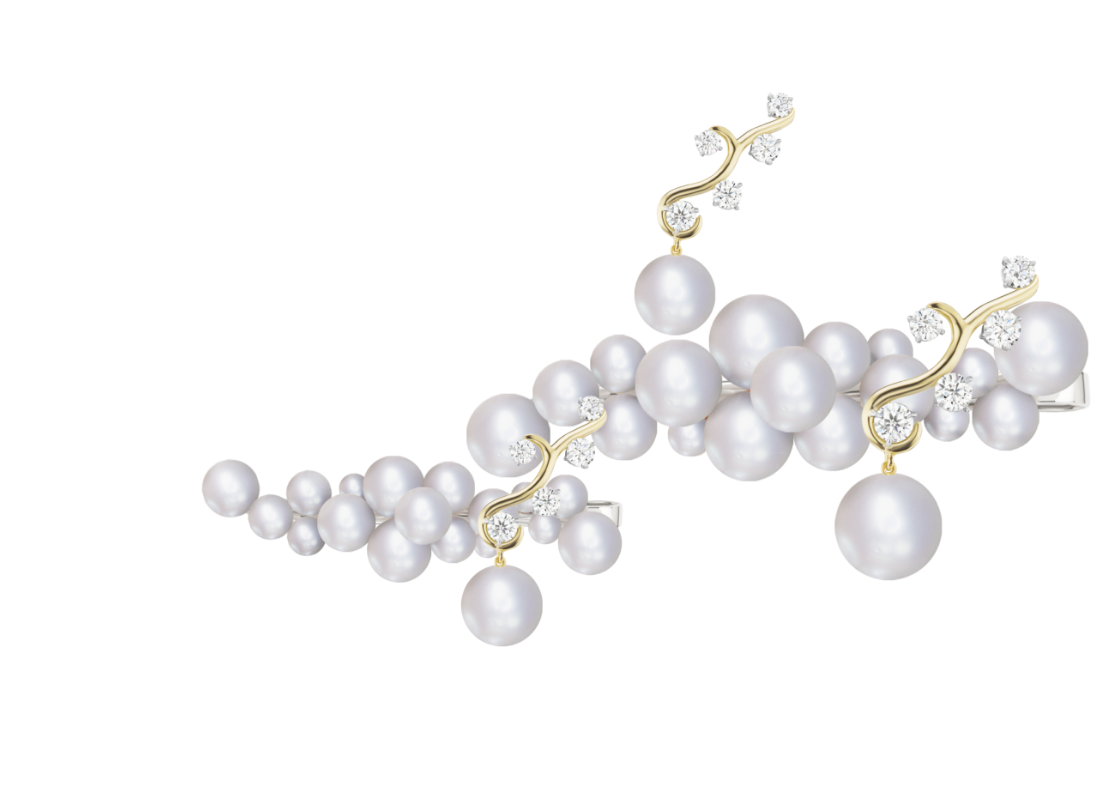
 Pearls carry a quiet glow that feels both ancient and refreshingly current. Their light isn’t loud; it breathes. Across continents, brands cultivate different visions of that light, shaping styles that range from classical strands to bold compositions that treat pearls as sculptural forms. A map of the global scene reveals traditions, technologies, and aesthetics moving in parallel and sometimes intersecting.
Quiet luster. Lasting meaning.
From Japan’s precision to China’s freshwater breadth, from Europe’s ateliers to America’s online storefronts, and southward to Australia’s wild seas, each region frames pearls through distinct priorities. Heritage is one axis. Design language is another. And, increasingly, transparency and education guide the buying experience.
Japan’s Quiet Radiance in High Luxury
Mikimoto: the Modern Mythmaker of Cultured Pearls
The name Mikimoto sits at the heart of cultured pearl history. Kokichi Mikimoto’s breakthrough in cultivating Akoya pearls in the early 20th century transformed an unpredictable gift of nature into a craft guided by human care. That story continues in Mikimoto’s ateliers, where high-luster Akoya pearls are matched with meticulous metalwork and precise grading.
A Mikimoto strand appears simple at first glance. Look closer and the discipline shows: consistent diameter, mirrored overtones, and surfaces selected to minimize blemishing. Designs often lean into purity—graduated strands, luminous chokers, and refined stud earrings—while high jewelry pieces place Akoya, South Sea, or conch pearls within airy diamond frameworks that amplify glow without crowding it.
Tasaki and a Sculptural Language of Light
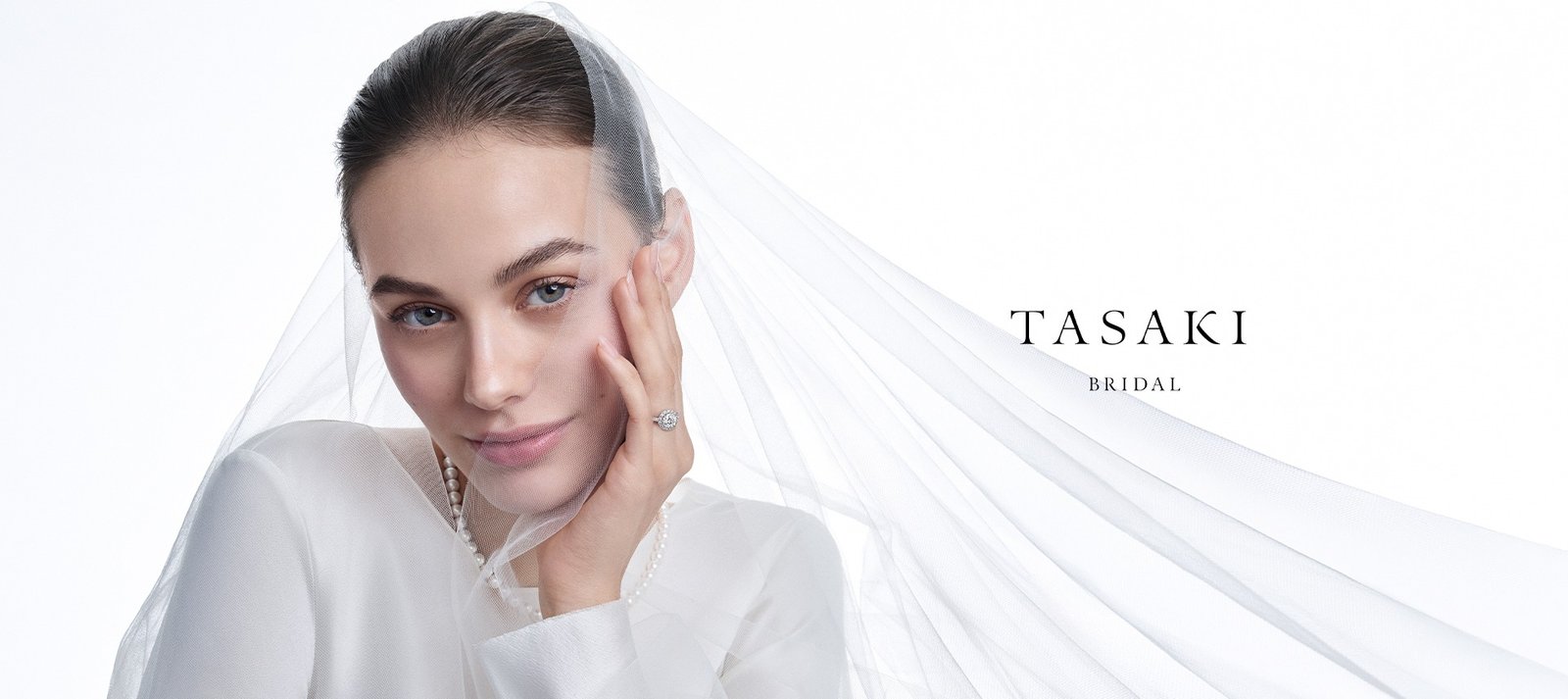
Tasaki approaches pearls as forms to be balanced and reimagined. The brand’s collaborations with contemporary designers yield pieces that challenge expectations: pearls orbiting minimal metal arcs, asymmetric climbers that draw a clean line along the ear, or structured rings where pearls and diamonds meet like celestial bodies.
The work is intentional, modern, and brave with negative space. Tasaki’s craftsmanship keeps edges crisp, prongs discreet, and surfaces pristine so that the pearl remains a soft focal point. The result is jewelry that feels architectural yet wearable, with light traveling across nacre and metal in measured rhythm.
Kokichi Mikimoto Collection Pinnacle Expressions
Within Mikimoto’s universe, the Kokichi Mikimoto Collection stands as a crest. Here, large Japanese Akoya and exceptional South Sea pearls take center stage in one-of-a-kind sets. High luster and thick nacre are prerequisites; designs often frame a central pearl like a moon set in starlight, with diamond constellations guiding the eye.
These pieces aim for stillness and intensity. The craftsmanship sustains both, tightening tolerances to keep every line hushed and flawless. It’s the brand’s language spoken at full volume, without shouting.
China’s Freshwater Renaissance
Grace Pearl Value and Volume with Verve
In Zhejiang, Grace Pearl helped usher freshwater pearls into a new era, pairing scale with ongoing improvements in shape, nacre, and surface. The company’s selections range from delicate rice-shaped strands to rounder, near-round pieces that challenge assumptions about freshwater geometry.
Value guides the appeal. With careful sorting and matching, Grace Pearl elevates freshwater strands for daily wear, bridal suites, and business attire, keeping quality consistent across large quantities.
Angeperle End to End Mastery
Angeperle manages the journey from farm to finished jewelry. That integration tightens quality control and helps stabilize color and luster across collections. By shaping everything from nucleus insertion to setting and retail, Angeperle can tune product for specific markets and respond quickly to feedback.
For buyers, this often means breadth: classic strands, baroque silhouettes, and contemporary pieces that show the individuality of freshwater pearls without sacrificing coherence.
gN Pearl Retail Reach Across China
gN Pearl brought everyday access to cities across China with storefronts that welcome first-time buyers. Sales teams often emphasize education: luster differences, the meaning of overtone, how to compare strand grading. Collections balance approachable price points with fashionable silhouettes, making pearls familiar and friendly.
A good place to start. A good place to return.
Chow Tai Fook Pearl Collection: Big House Rigor
Chow Tai Fook layers stately house standards onto pearl lines that range from simple station necklaces to ornate sets. The company’s scale supports consistent sourcing and post-sale service, reassuring clients who prefer a major jeweler’s protocols.
Designs often pair clean lines with dependable craftsmanship, creating pearls that fit seamlessly into a broader fine jewelry wardrobe.
Europe’s Ateliers of Imagination
Yoko London Rare Finds and Audacious Settings
Yoko London gravitates toward rare articles: exceptionally large South Sea pearls, intriguing naturals, and intense colors that spark curiosity. The brand’s settings tilt bold—haloed drops anchored by diamonds, multicolored suites that juxtapose Tahitian peacock with icy whites.
The drama feels intentional, not excessive. Metalwork is engineered to float, letting pearls present as luminous spheres suspended in air.
Assael South Sea and Tahitian Authority
Assael’s name is often linked to South Sea and Tahitian pearls chosen for radiance and presence. Pieces meet the expectations of clients who prize size, even shape, and refined overtones. Classic strands sit alongside solitaire pendants, long ropes, and mixed-color compositions that move from dove gray to deep green.
The style is confident. Calm and sure.
Boucheron, Cartier and the Maison Approach
French houses bring couture-grade vision to pearls. Boucheron may frame a baroque pearl with graphic lines and bold textures; Cartier might thread pearls into archival motifs that reference panthers, garlands, or Art Deco symmetry. Each brand applies distinct codes: volumes, motifs, and material contrasts that make their signatures instantly legible.
In these studios, pearls converse with gemstones and gold in ambitious compositions, yet they retain their soft authority.
Chanel Pearls in the Vocabulary of Fashion
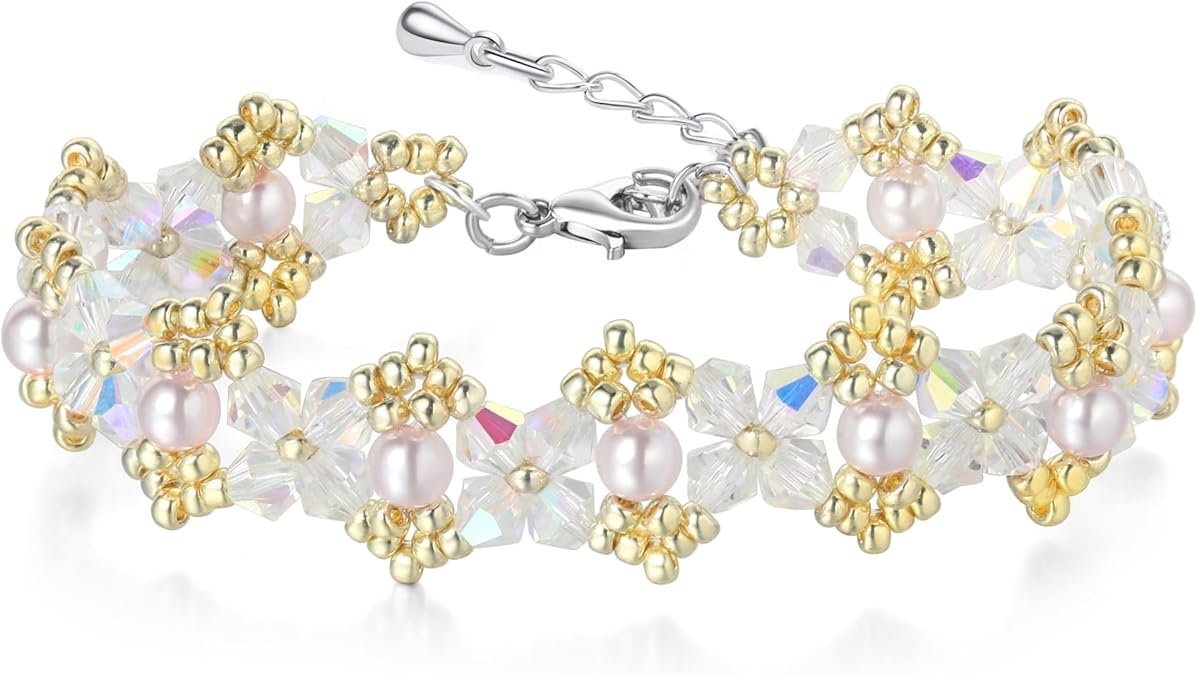
Chanel’s long, layered strands altered how pearls live with clothing. From runway looks draped over tweed to high jewelry that sets large pearls within diamond camellias or comets, Chanel treats pearls as a living part of fashion history.
Graceful, a little rebellious. The look is unmistakable.
America’s Online Vanguard
Pearls of Joy: Quality Made Accessible
Direct-from-source strategies have helped Pearls of Joy present strong luster and clean surfaces at friendly price points. The brand leans on detailed product pages and straightforward grading explanations so buyers can compare Akoya, freshwater, Tahitian, and South Sea strands with confidence.
Education stands near the center. So do clear photos and videos.
Pure Pearls Curated e-Commerce Expertise

Pure Pearls emphasizes careful selection, personal service, and transparent descriptions. Each listing breaks down body color, overtone, surface characteristics, and match, with lifestyle images that show scale on real people. The result is a shopping experience built around clarity.
Trust grows with good information.
The Pearl Source Scale and Selection
The Pearl Source operates with breadth—multiple qualities, lengths, and clasp options across pearl types. Customization is streamlined: choose length, metal, and sometimes matching earrings to create a set that aligns with day-to-day needs.
Speed, breadth, and consistent grading underpin the appeal.
Honora Color Play in Freshwater
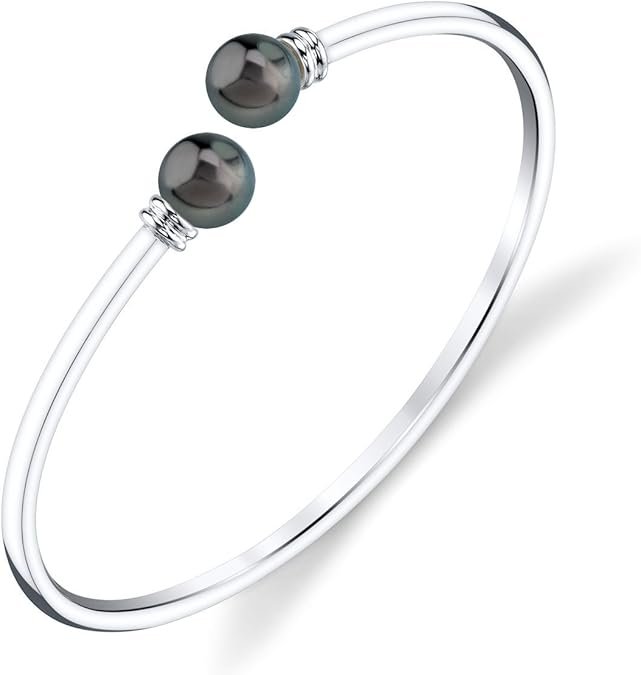
Honora leans into the joy of color through dyed freshwater pearls in playful hues—lavender, steel, lagoon, copper. Pieces skew fun and stackable, perfect for layering with chains or mixing with neutrals to introduce a spark of personality.
Color changes the conversation. Instantly.
South Sea Brilliance from Australia
Paspaley Crown of the South Seas
Australia’s northern waters nurture Pinctada maxima oysters that yield thick-nacred South Sea pearls with a satiny glow. Paspaley sits at the apex of this field, with a pearling fleet and practices refined over decades. Their pearls—white, cream, and sometimes with subtle golden warmth—often come in generous sizes with surfaces that retain an organic quietness.
Grading is strict. Matching is meticulous. High jewelry pieces spotlight a single extraordinary pearl, while strands display the serene gradation that makes South Sea pearls feel weightless despite their scale.
Autore Modern Storytelling in Golden Pearls
Autore celebrates golden South Sea pearls with designs that use texture and movement to catch light across nacre. Settings may layer brushed gold against high polish, or use articulated links that let pearls sway and breathe.
Photography and design narratives help buyers connect origin to object, linking sea, oyster, and finished jewel in a coherent arc.
How to Read a Pearl Brand
Craftsmanship, Provenance and Grading
Start with the pearl itself. Luster is the soul—how light returns from the surface and just beneath it. Nacre thickness supports that glow and durability. Surface quality, shape, and match determine the quiet harmony of strands and studs. Brands should share grading scales, often A to AAA or A to AAAA, with clear definitions rather than vague superlatives.
Provenance provides context. Akoya pearls (mostly from Japan) bring mirrorlike shine in smaller diameters. Tahitian pearls (French Polynesia) range from silver to peacock green-black, borne by Pinctada margaritifera oysters. South Sea pearls (Australia, Indonesia, the Philippines) favor larger sizes and satin luster in white to golden hues. Freshwater pearls (largely China) excel in versatility, from baroque to round, with notable improvements in roundness and luster across recent decades.
Details matter.
Design Language and House Identity
Each brand speaks through recurring forms: minimal arcs, bold halos, archival motifs, or architectural lines. Clasps, settings, and even chain styles serve as signatures. Over time, these choices form a recognizable identity that helps wearers select pieces that align with personal style—clean, romantic, sculptural, or fashion-forward.
Consistency signals intent. Variety shows breadth. The right balance reveals maturity.
Value, Transparency and Buying Channels
Value lives where materials, craftsmanship, and price meet. Seek clear disclosure on pearl type, size, luster, overtone, surface, and match. Look for high-quality product images and scale shots on real bodies. Certificates help, especially for high-end pieces, though pearls do not follow the same laboratory paradigm as diamonds.
Buying channels shape experience. Boutiques deliver tactile evaluation and service. Online retailers offer choice, education, and efficient customization. Return policies, resizing support, and repair services tell you how a brand stands behind its work.
The Map Ahead for Global Pearl Jewelry
Cross Cultural Design Dialogues
Designers are weaving motifs from different traditions—Japanese restraint with European volume, Chinese enamel work beside Italian gold textures, Pacific stories set within contemporary silhouettes. Pearls sit comfortably in this conversation because their character is soft, inclusive, and adaptable.
Old symbols find fresh context. New forms honor long histories.
Technology, e-Commerce and Personalization
Digital tools refine the way pearls are chosen and cherished. High-resolution video, virtual try-on, and precise dimensioning help buyers judge scale and color from a screen. Transparent supply narratives and serial tracking build confidence for significant purchases.
Personalization deepens the bond. Made-to-order lengths, clasp swaps, and mix-and-match stud sets invite participation in the making of a final piece. Education—on care, storage, and re-stringing intervals—extends the life of pearls so they can be worn often and handed forward.
Quiet luster endures. The world keeps turning, and pearls keep catching the light.