From Shell to Shine: Why Oyster Farm Tours Matter
Pearls have long symbolized romance and rarity, and oyster farm tours turn that mystique into a hands-on experience. These immersive trips let visitors see how nature and craft create luminous gems. Travelers, jewelry lovers, families, and trade professionals all join these tours for different reasons — curiosity, education, sourcing, or simple wonder.
A pearl-sourcing tour typically visits the hatchery, the farms, and the processing shed. Guides explain oyster biology, show the grafting process, and demonstrate grading and polishing. This article maps what you’ll see, how pearls form, how to pick a responsible operator, practical visiting tips, and advice for buying and caring for pearls you bring home.
Read on to discover more.
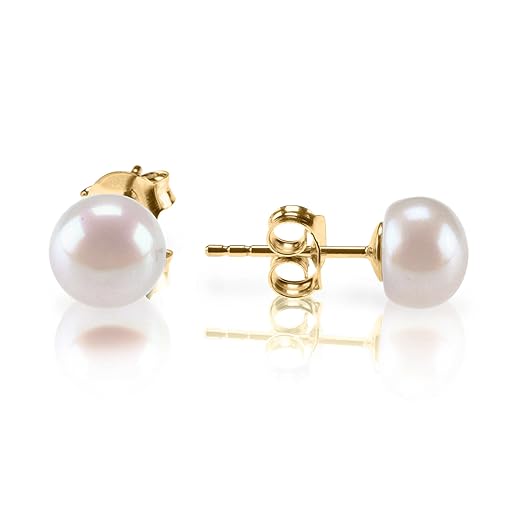
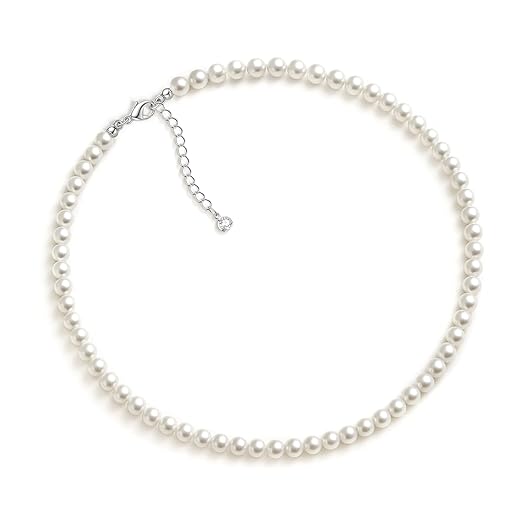
Why Oyster Farms Make the Perfect Pearl-Tour Destination
A sensory invitation
Oyster farms are cinematic: low, rolling boats; rows of racks or floating pens; the metallic tang of salt air; the rasp of nets and the soft cluck of pliers opening shells. Photographers love the contrast of pearly interiors against stormy skies; eco-tourists soak up coastal panoramas and tide rhythms. Imagine kneeling on a low dock as the guide lifts a mesh bag and you see wet oysters glint like buried coins — that tactile moment turns theory into memory.
A living classroom: what you learn
Tours stitch together marine biology, traditional aquaculture, and jewelry craft. Guides explain oyster anatomy and how cultured pearls form (remember: over 90% of pearls today are cultured), demonstrate grafting and husbandry techniques, and show how nacre layers are graded and finished. Artisans sometimes finish pieces on-site, translating sea science into wearable art.
Types of farms and how setting shapes the experience
Who benefits — and how tours support communities
When run responsibly, tours channel visitor spending into local wages, hatcheries, and sustainable practices — fishing cooperatives in many regions report measurable income boosts from tour programs.
Quick practical tips
Next, we’ll open an oyster and look inside: how pearls are actually sourced and graded.
Inside the Oyster: How Pearl Sourcing Actually Works
Lifecycle at a glance
Pearl farming begins with spat (juvenile oysters) collected on ropes or collectors, grown to a harvestable size, then nucleated (seeded), tended for months or years, and finally harvested. On many farms you’ll hear a guide say, “We’re raising oysters like orchards”—careful, seasonal work aimed at a single crop of nacre-encrusted beauty.
Biology of nacre and the role of seeding
When an irritant (natural or implanted) sits against an oyster’s mantle tissue, the animal secretes layers of nacre—microscopic calcium carbonate crystals bound by conchiolin—forming a pearl. Cultured pearls rely on two main techniques:
Saltwater vs. freshwater: key differences
Saltwater pearls (Akoya, Tahitian, South Sea) often take 1–4 years, tend to be rounder and have higher luster due to bead nucleation. Freshwater farms produce more pearls per oyster, with diverse shapes and often quicker turnover. Farming methods shape everything from size to color range.
What you’ll see on a tour: hands-on operations
How quality is judged (quick checklist)
Animal welfare and ethical farming
Ethical farms minimize stress: trained technicians, single sterile seeding attempts, quarantine for disease, transparency on mortality rates, and humane handling. Ask about these practices on your tour—responsible farms will welcome scrutiny.
Next, we’ll map a typical tour itinerary so you know exactly when and where you’ll witness these steps in action.
Typical Tour Itinerary: What You’ll See and Do
Arrival and orientation
Most tours begin at a small pier or visitor center with a 15–30 minute orientation: biosecurity rules, a short video, and a map of the farm. Guides usually introduce safety protocols and the day’s schedule—think “what’s hands-on” versus “what’s observation only.” Groups range from intimate 6–12 people to larger 20–40, so ask ahead if you prefer a small crew.
Boat transfers and on-deck demonstrations
A short boat ride (5–40 minutes) often sets the tone—open water, seabirds, and the racks or longlines visible from the deck. Expect live demos: cleaning racks, checking growth, and simple water-quality tests. Guides will demonstrate proper handling; you may get gloved, splash-prone work.
Hatchery, nursery and seeding overview
You’ll visit a hatchery or nursery to see spat, nursery trays, and survival rates. Some farms run a controlled seeding demo in a sterile tent for small groups—these are excellent for photos and questions.
Guided harvest demonstrations and post-harvest sorting
Harvests are the highlight: technicians open select oysters, reveal pearls, and explain grading. Afterward you might watch sorting benches where luster, surface, and size are graded. Many tours include a brief jewelry workshop showing how graded pearls are matched and strung—hands-on sessions last 20–60 minutes.
Optional add-ons
Practical details and what to pack
Next up: choosing a responsible tour operator so your visit supports both communities and healthy waters.
How to Choose a Responsible Pearl-Sourcing Tour
Choosing the right operator makes the difference between an educational, ethical experience and one that harms people or place. Use these practical criteria and questions to vet tours before you book.
Ask before you book
Ask direct, specific questions — a credible operator will welcome them.
Watch for red flags
Simple warning signs often reveal larger problems.
Verify and vet
Do quick homework to confirm claims.
Size matters: what experience do you want?
Large commercial farms often offer polished facilities, repeatable demos, and guaranteed safety equipment. Small family-run farms deliver intimate storytelling, hands-on seeding demos, and direct community benefit — but ask about hygiene and tour limits beforehand.
With a vetted operator, you’ll be ready to focus on learning and enjoyment—next, practical tips for making the most of your visit.
Getting the Most Out of Your Visit: Practical and Cultural Tips
Conversation starters and curiosity questions
A few thoughtful questions opens doors to stories and techniques. Ask your guide:
Etiquette for interacting and handling
Respect keeps farms safe and relationships strong. Always:
Photography tips (lighting, close-ups, non-disruptive shots)
Capture texture without interrupting work:

Safety reminders for children
Keep kids safe and engaged:
Meaningful ways to support the local economy
Accessibility & family-friendly hacks
If mobility is limited, call ahead about ramps, shaded rest areas, or shorter routes. Many farms offer virtual tours or bench-side demonstrations as alternatives to full bed access.
From Purchase to Preservation: Buying and Caring for Pearls
How pearls are graded and what drives price
Pearl value is a mix of science and eye. Key grading factors:
Ask to see labelling that lists species (Akoya, South Sea, Tahitian, freshwater), treatments, and nacre notes. If you’re spending over roughly $500–1,000, consider an independent appraisal (GIA/Gemological Institute or an AGS/AGS-affiliated appraiser) before finalizing for insurance or resale clarity.
Certificates, provenance & customs
Insist on transparent provenance: farm name, harvest date, and treatment disclosure. Keep receipts and take photos.
For international travel, declare high-value purchases as required by customs; check destination rules (some jurisdictions require temporary export permits for certain mollusc species). Carry certificates and receipts in hand luggage and be ready to show them at border control.
Secure transport and immediate care
Transport pearls in a soft, padded travel case (e.g., Wolf Caroline Travel Jewelry Case or a velvet pouch). Keep them hand-carried, not in checked luggage. For very high-value items, ask the seller about insured shipping options.
Everyday aftercare and maintenance
Finding long-term jewelers
Choose jewellers with pearl-specific experience, written warranties, and clear lab affiliations. Ask for references, see before/after photos of work, and prefer 18k gold or platinum settings to protect delicate nacre.
With these buying and care steps, your pearls will remain as memorable as the farm where you found them — and ready for the closing thoughts on responsible travel and timeless treasures.
Shell to Shine: Responsible Travel and Timeless Treasures
Oyster farm tours combine nature, craftsmanship and local culture into a memorable, tactile experience that turns conservation into conversation. Choosing ethical operators, asking informed questions about sourcing and labor, and prioritizing transparency ensures your visit supports sustainable livelihoods and healthy ecosystems.
When you bring pearls home, care for them gently and mindfully so they remain meaningful heirlooms. Consider a pearl-sourcing tour not just as souvenir shopping but as an enriching journey that uplifts communities and keeps ancient skills alive. Book thoughtfully and let your travel choices reflect respect for people and planet.