Updated on October 30, 2025
The World of Pearl Colors
Why Color Matters in Pearls
The color of a pearl is its first and most immediate message. It is the initial quality that draws the eye, long before one can appreciate its luster or shape. A pearl’s hue is not merely a surface-level attribute; it is an intrinsic part of its identity, a whisper of its oceanic origins and the unique life of the mollusk that created it. The specific shade can convey a sense of tradition, a touch of mystique, or a note of modern sophistication.
This chromatic character is fundamental to a pearl’s value and desirability. A uniform, deeply saturated color is a mark of high quality, sought after by collectors and jewelry lovers alike. The rarity of certain natural colors, such as the deep gold of a South Sea pearl or the metallic blue of an Akoya, can elevate a gem’s status from simply beautiful to exceptionally precious. The color dictates its place in the world of adornment.
How Color Creates Mood and Style
The palette of a pearl directly influences the feeling and style of the jewelry it graces. Classic white pearls, with their soft, creamy glows, evoke images of timeless elegance and bridal purity. They are a statement of grace and refinement, suitable for the most formal occasions yet possessing a quiet simplicity for everyday wear. A strand of white Akoyas is the very definition of a classic.
In contrast, the dark, complex tones of a Tahitian black pearl speak a different language. They are dramatic and enigmatic. Their iridescent overtones of peacock green, aubergine, and silver suggest a bold, confident style. Similarly, a golden pearl radiates warmth and opulence, a symbol of luxury and prestige. The softer pastel tones, like lavender, peach, and pink, offer a youthful, romantic charm. They are gentle and approachable, adding a touch of delicate color to any ensemble. The choice of pearl color becomes a personal expression, a way to project a specific mood or complement a unique sense of style.
Understanding How Pearl Color Works
Bodycolor, Overtone, and Orient Explained
The color of a pearl is a complex interplay of three distinct visual phenomena. The first is its bodycolor, which is the dominant, background color of the pearl. This is the foundational hue you see at first glance, whether it is white, cream, black, gold, or another shade. It is the canvas upon which other effects are painted.
Layered on top of the bodycolor is the overtone. This is a secondary, translucent color that seems to float over the surface. It is most apparent on darker pearls but adds subtle depth to lighter ones as well. A white pearl might have a rosé or cream overtone, while a black Tahitian pearl can display stunning overtones of green, cherry, or pistachio. This secondary color adds a layer of complexity.
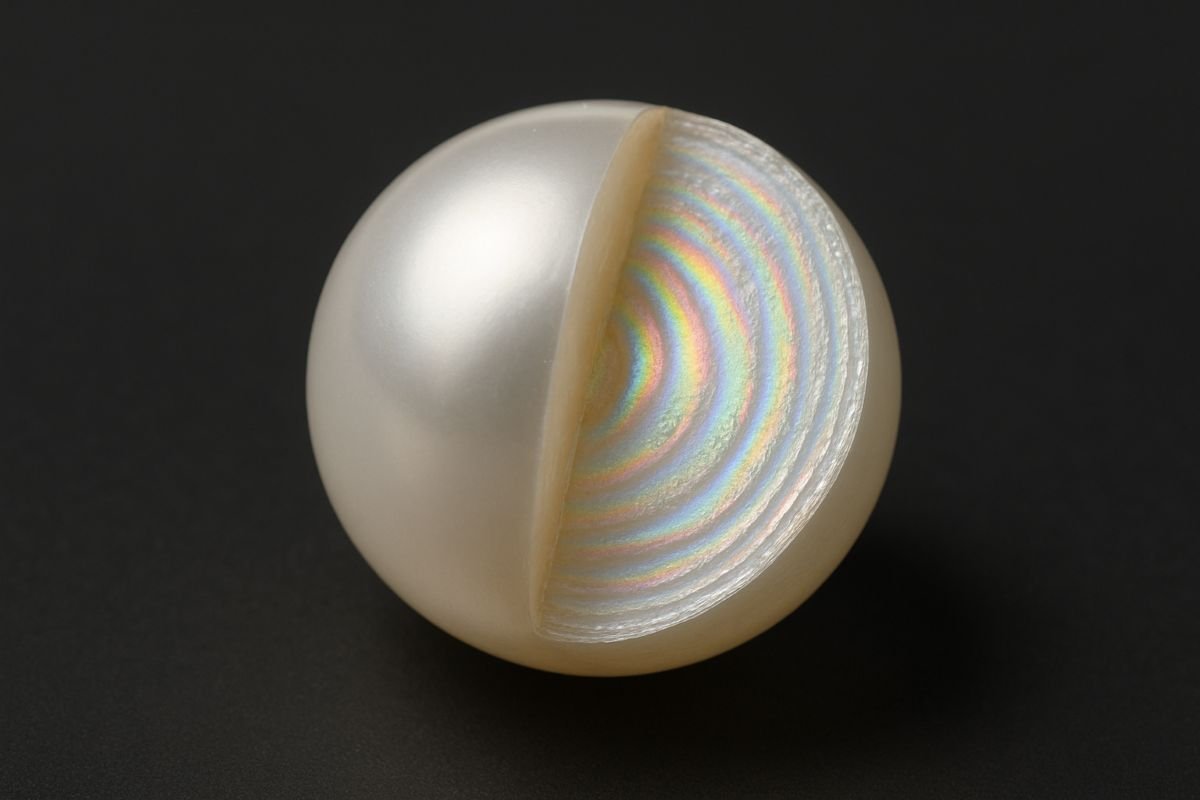
Finally, there is the orient. This is the rarest and most captivating of the color effects. Orient is an iridescent shimmer of rainbow colors that moves and plays across the pearl’s surface as it turns in the light. It is caused by the light refracting through the multiple layers of nacre, creating a visual effect similar to that seen on a soap bubble. A pearl with strong orient is a truly mesmerizing gem.
Luster and Surface and Their Effect on Color
Luster is the quality and quantity of light that reflects from a pearl’s surface and just below it. It is arguably the most important of all value factors. A pearl with high, sharp luster will appear brighter and more vibrant, making its color seem more intense and saturated. The reflections will be crisp and clear.
Think of it this way.
A pearl with poor luster, on the other hand, will look dull, chalky, or milky. This weak reflection of light washes out the color, making it appear flat and lifeless, no matter how good the underlying bodycolor or overtone might be. The quality of the pearl’s surface also plays a significant role. A clean, smooth surface allows light to reflect evenly, enhancing both luster and the perception of color. Blemishes, pits, or bumps can disrupt the flow of light, creating dull spots and detracting from the gem’s overall beauty.
What Determines a Pearl’s Color
Mollusk Species and Waters
The primary determinant of a pearl’s natural color is the species of mollusk that produces it. Different oysters and mussels have unique genetic traits that dictate the pigments in their nacre. The Pinctada maxima oyster, for example, is known for its silver-lipped and gold-lipped varieties, which produce the large, luxurious white and golden South Sea pearls. The Pinctada margaritifera, or black-lip pearl oyster, is the source of the famed dark pearls of Tahiti. Freshwater mussels from the Hyriopsis family can produce a wide spectrum of natural pastel colors, including pink, peach, and lavender.
The environment in which the mollusk lives also contributes. The water’s temperature, salinity, and the availability of certain nutrients and minerals in the plankton the mollusk consumes can subtly influence the final hue of the pearl it creates.
Nacre Thickness and Crystal Structure
Nacre, also known as mother-of-pearl, is the substance that forms the pearl, layer by microscopic layer. The thickness of this nacre has a direct impact on the quality of the pearl’s color and its durability. A pearl with thick nacre will typically have a richer, deeper color and a superior luster because there are more layers for light to interact with.
The way the tiny aragonite crystals are arranged within the nacre is also a factor. When these crystals are tightly packed and uniformly aligned, they create a surface that reflects light with exceptional brilliance. This perfect structure enhances the overtone and can produce the prized orient effect. An irregular or loosely packed crystal structure results in a duller appearance and less vibrant color.
Culturing and Environmental Factors
While the mollusk’s species sets the potential color palette, the human hand in the culturing process can guide the outcome. Pearl farmers can influence color by carefully selecting the piece of mantle tissue that is inserted into the host oyster along with the nucleus bead. The pigment from this donor tissue often dictates the resulting pearl’s color.
Environmental conditions at the pearl farm, such as water quality and pollution levels, can affect the health of the mollusks. A stressed mollusk may produce a pearl with inferior nacre quality, leading to poor color and luster. Healthy, clean waters are paramount for cultivating beautiful, richly colored gems.
Color Enhancements and Treatments
Not all pearl colors are natural. For centuries, pearls have been subjected to various treatments to alter or enhance their appearance. Common treatments include bleaching to create a more uniform white color in Akoya pearls and dyeing to produce a wide range of fashionable colors, from black to chocolate to vibrant blues and greens. Another process, irradiation, can darken the nucleus of a pearl, creating a grey or blue-grey appearance.
Reputable jewelers will always disclose any treatments a pearl has undergone. While treated pearls can be beautiful and offer an affordable alternative to rare natural colors, they are generally valued lower than their untreated counterparts. It is a matter of personal preference, but transparency is key.
Color Families
White Pearls
White is the most classic and iconic pearl color. It represents purity and sophistication. White pearls are produced by various mollusks, including Akoya, South Sea, and freshwater species. Their bodycolor ranges from a cool, bright white to softer, warmer cream tones. Their overtones are often subtle, with the most desirable being rosé, which gives the pearl a faint pinkish blush, and silver.
Black Pearls
Naturally colored black pearls are almost exclusively from the Pinctada margaritifera oyster of French Polynesia. These Tahitian pearls are not truly black but come in a remarkable range of dark shades, including grey, pistol-metal, and deep charcoal. Their true beauty lies in their complex overtones, which can be green (often called “peacock”), aubergine (a purplish-red), blue, or pistachio.
Blue Pearls
Natural blue pearls are exceptionally rare and highly prized. They can be found in several species, including Akoya, South Sea, and Tahitian pearls. The blue coloration is often a result of a metabolic anomaly or specific mineral presence. The effect is typically a silvery-blue or grey-blue hue with a distinct metallic sheen. Their scarcity makes them a collector’s item.
Gold Pearls
The undisputed king of golden pearls is the Golden South Sea pearl, cultivated in the gold-lipped Pinctada maxima oyster, primarily in the Philippines and Indonesia. Their colors range from a soft, champagne hue to a deep, rich 24-karat gold. A deep, warm golden color with a high luster is one of the most valuable pearl types in the world.
Lavender Pearls
Naturally lavender and purple pearls are a specialty of freshwater mussels. These beautiful pastel gems get their color from unique pigments within the mollusk. The shades can vary from a pale, silvery lilac to a deep, rich plum. They offer a unique and romantic alternative to more traditional pearl colors.
Peach and Pink Pearls
Like lavender pearls, natural pink and peach hues are most commonly found in freshwater pearls. These warm, delicate colors are entirely natural and incredibly flattering to most skin tones. The shades can range from a very light, almost white-pink to a deeper apricot or coral color.
Multi-Color Pearls
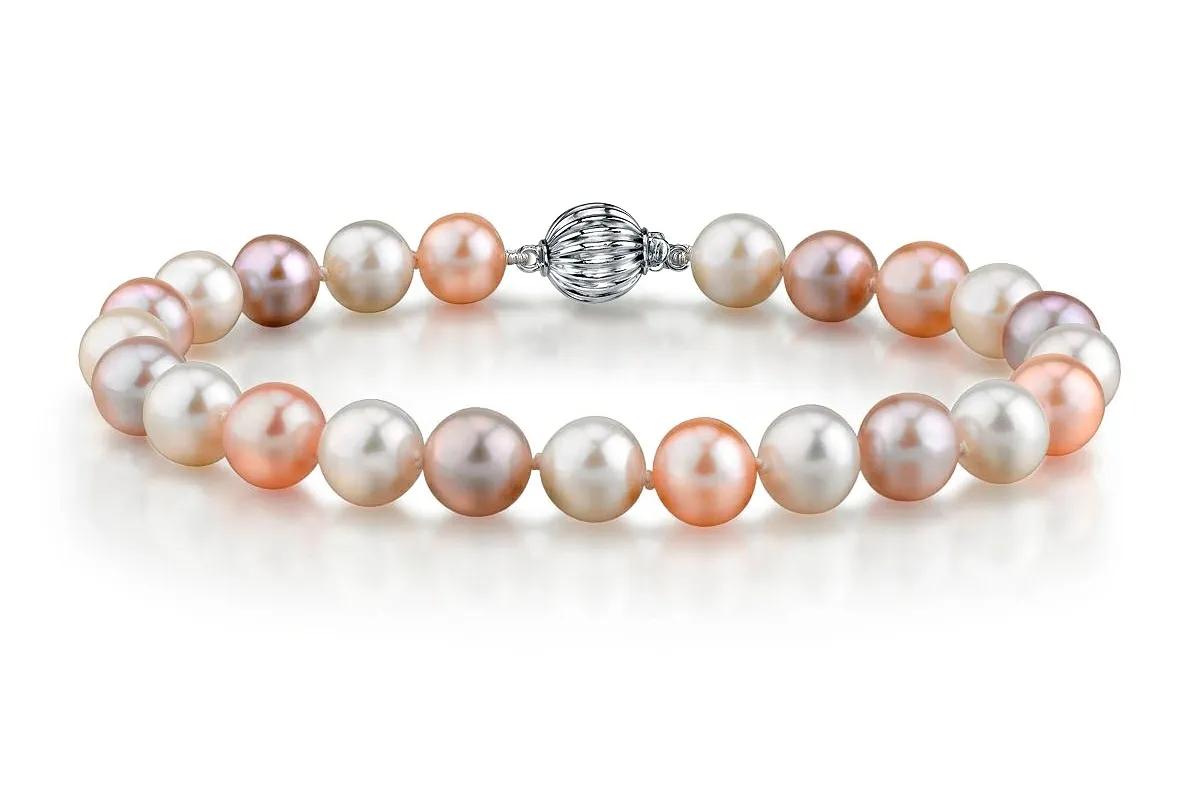
A multi-color strand combines pearls of different hues in a single piece of jewelry. This can be a mix of Tahitian pearls showcasing their varied overtones, a blend of pastel freshwater pearls, or a combination of white, golden, and black South Sea pearls. These arrangements celebrate the diversity of pearl colors.
Chocolate Pearls
Chocolate pearls have gained popularity for their warm, earthy tones. While a very small number of naturally brownish pearls exist, the vast majority of chocolate pearls on the market are color-treated. They are typically Tahitian or freshwater pearls that have been bleached and then dyed to achieve their rich, brown color.
Value and Grading Through the Lens of Color
Saturation, Uniformity, and Matching
When assessing a pearl’s color for value, three aspects are considered. Saturation refers to the depth and intensity of the color. A deeply saturated pearl will have a rich, vivid hue, while a poorly saturated one will look pale or faded. Uniformity is also important; the color should be consistent across the entire surface of the pearl, without blotches or discolored spots.
For a piece of jewelry with multiple pearls, such as a necklace or bracelet, matching is a critical value factor. Assembling a strand where every pearl is a near-perfect match in terms of bodycolor, overtone, size, and luster is an incredibly difficult and time-consuming process. A perfectly matched strand is a mark of high quality and commands a premium price.
Rarity and Market Demand
The principles of supply and demand heavily influence a pearl’s value. Naturally occurring, rare colors will always be more valuable than common or treated colors. A strand of natural blue Akoyas or deep golden South Sea pearls is worth significantly more than a strand of white Akoyas or dyed black freshwater pearls of a similar size and quality. Market trends and consumer preferences also play a part, causing the demand for certain colors to fluctuate over time.
Reading Certificates and Descriptions
When purchasing a significant pearl, a grading report from a reputable gemological laboratory like the GIA (Gemological Institute of America) provides invaluable information. The certificate will accurately describe the pearl’s bodycolor, overtone, and identify any detectable treatments. It is an impartial verification of the pearl’s qualities. When reading a seller’s description, look for specific language about color and any disclosures about enhancements. Vague descriptions can be a warning sign.
Buying with Confidence
How to Compare Vendors and Listings
When comparing pearls from different sellers, pay close attention to the quality of the photographs. A good vendor will provide high-resolution images taken in controlled lighting that accurately represent the pearl’s color and luster. Be wary of images that are overly retouched or taken in flattering, unrealistic lighting. Compare the descriptions side-by-side, looking for details on overtone and any mentions of treatments. Consistent, clear information is the sign of a trustworthy seller.
Natural Versus Treated Disclosures
A reputable vendor will always be transparent about whether a pearl’s color is natural or the result of a treatment. This information is fundamental to the pearl’s value and should be clearly stated in the product description. The absence of this information is a red flag. If a price for a rare color like deep black or chocolate seems too good to be true, it is almost certainly because the pearl has been treated. There is nothing wrong with purchasing a treated pearl, as long as it is disclosed and priced accordingly.
Red Flags and Trusted Resources
Be cautious of sellers who use vague or hyped-up language instead of specific grading terms. Look for sellers who are established and have positive independent reviews. Educational resources from organizations like the GIA or the Cultured Pearl Association of America (CPAA) can provide a solid foundation of knowledge, helping you to make an informed decision. Trust your instincts; if a deal or a seller seems questionable, it is best to look elsewhere.
Quick Answers to Common Questions
Do Pearls Change Color over Time?
A well-cared-for pearl should not significantly change color. However, neglect or damage can alter its appearance. Exposure to chemicals like perfume, hairspray, and harsh cleaning agents can damage the nacre, causing it to yellow or become dull. Dehydration from being stored in a very dry environment for a long time can also cause the nacre to become brittle and lose its luster, which affects the perception of its color. Proper care is the best way to preserve a pearl’s beauty.
What Are the Best Colors for Bridal and Milestone Gifts?
For bridal jewelry, white pearls remain the quintessential choice. A white pearl with a soft rosé overtone is particularly popular, as it complements a wide range of skin tones and symbolizes romance and new beginnings. For other milestones, the choice can be more personal. A golden pearl makes a magnificent 30th-anniversary gift, symbolizing a rich and warm relationship. Soft pink or lavender pearls are lovely gifts for graduations or birthdays.
How Lighting Changes the Way Color Appears?
The appearance of a pearl’s color is highly dependent on the light source. Warm, direct sunlight will bring out the warmth and overtones in a pearl. Diffused, natural daylight is often considered the best light for evaluating a pearl’s true color. In contrast, standard fluorescent office lighting can make a pearl appear duller and may introduce a greenish or bluish cast. When buying a pearl, it is always a good idea to view it under several different types of light to get a full appreciation of its complex beauty.